Use your QR code as efficiently as possible on different types of marketing materials. You can use the QR codes on various marketing materials, both online and offline. On this page you will find an overview of different solutions for the use of QR codes in marketing. Click on one of the solutions to read different user cases or start direct with creating your own QR codes on marketing materials or create a personal account.
QR Codes in Video Games
Video game creators use QR codes to unlock bonuses, link companion apps, and share updates. They bridge in-game content with real-world promotions and player communities.
Artists use QR codes on art to share stories, videos, or background details. They add depth to physical work without distracting from the visual experience itself.
QR codes on badges give instant access to profiles, schedules, or check-ins. Ideal for events and workplaces where speed, identification, and interaction matter.
Banners with QR codes turn visual ads into direct actions. Scanners reach campaigns, landing pages, or sign-ups instantly, without typing or searching.
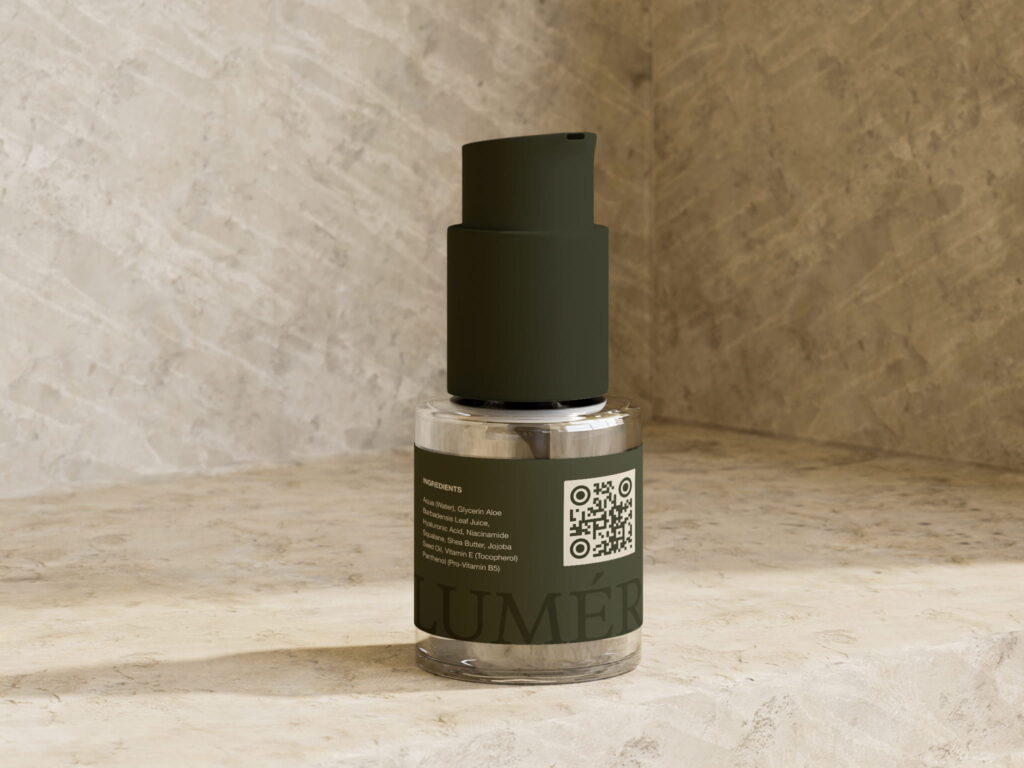
Food packaging with QR codes shares ingredients, allergens, and origin details. It builds trust, supports transparency, and meets modern compliance needs.
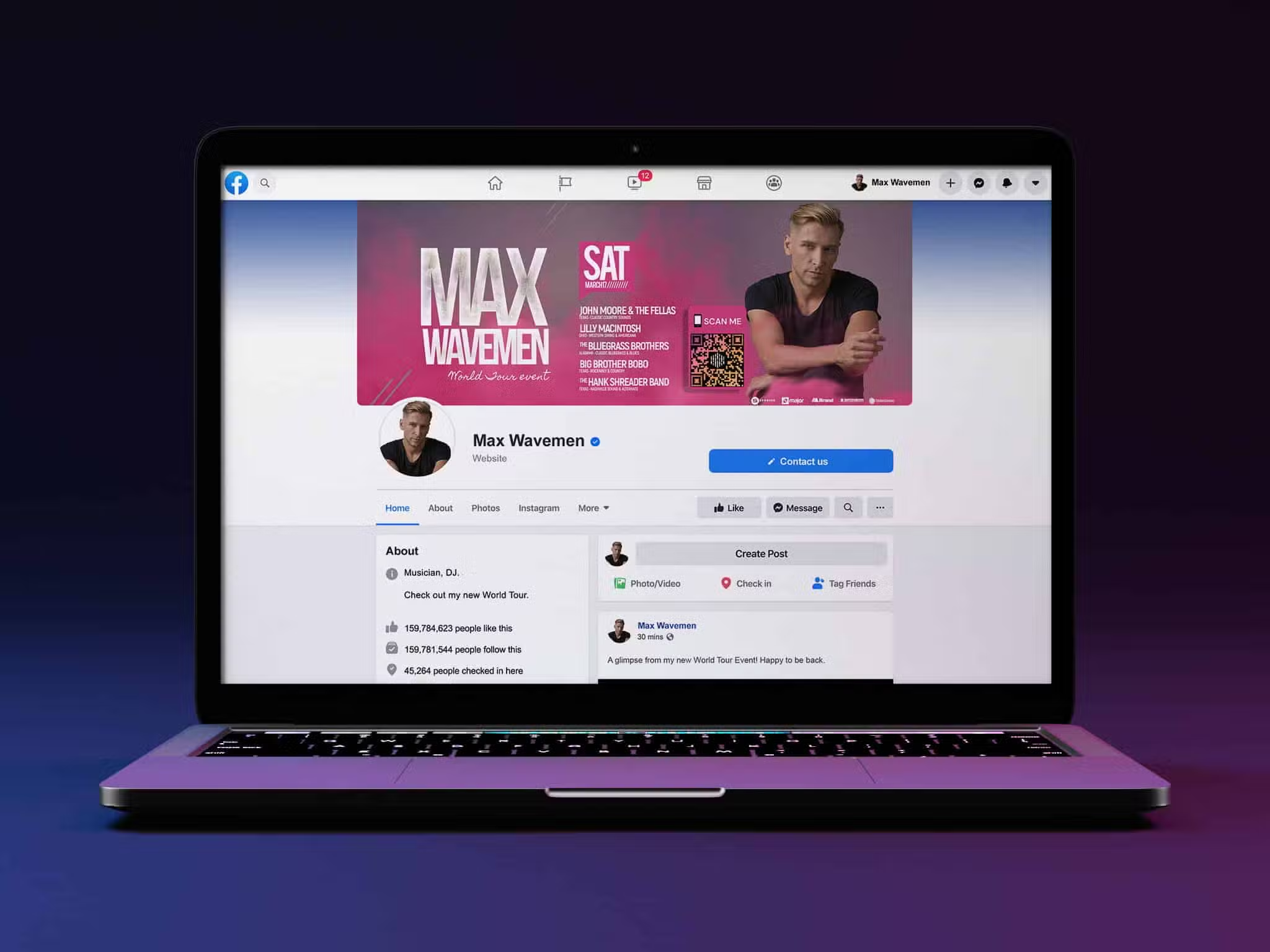
Create a social media QR code to share all your profiles in one scan. Boost engagement, grow followers, and simplify how people connect with your brand.
Use PDF QR Codes for Legal and Compliance Documents
PDF QR Codes are useful for legal and compliance to mitigate emailing heavy files and paper waste. Perfect for public disclosures, contracts, and applications.
Dynamic QR codes for luxury goods enhance personalized experiences for clients. Optimize serialization, storytelling, and exclusivity with branded QR codes.
QR Codes for Personal Portfolios With Multiple Project Links
Showcase your best projects with a single QR code with multiple links. Create, design and track a portfolio QR code for CVs, business cards, brochures, etc.
Creative QR code poster designs attract more visitors to websites, share booking calendars, get followers on social media, share music, art, videos, and more.
QR codes on receipts empower brands to get more reviews, share PDF copies of receipts, and catapult marketing campaigns by increasing customer engagement post-purchase.
Google Review QR Codes empower businesses even without storefronts, to increase their continuous feedback by directing users straight to their review page.
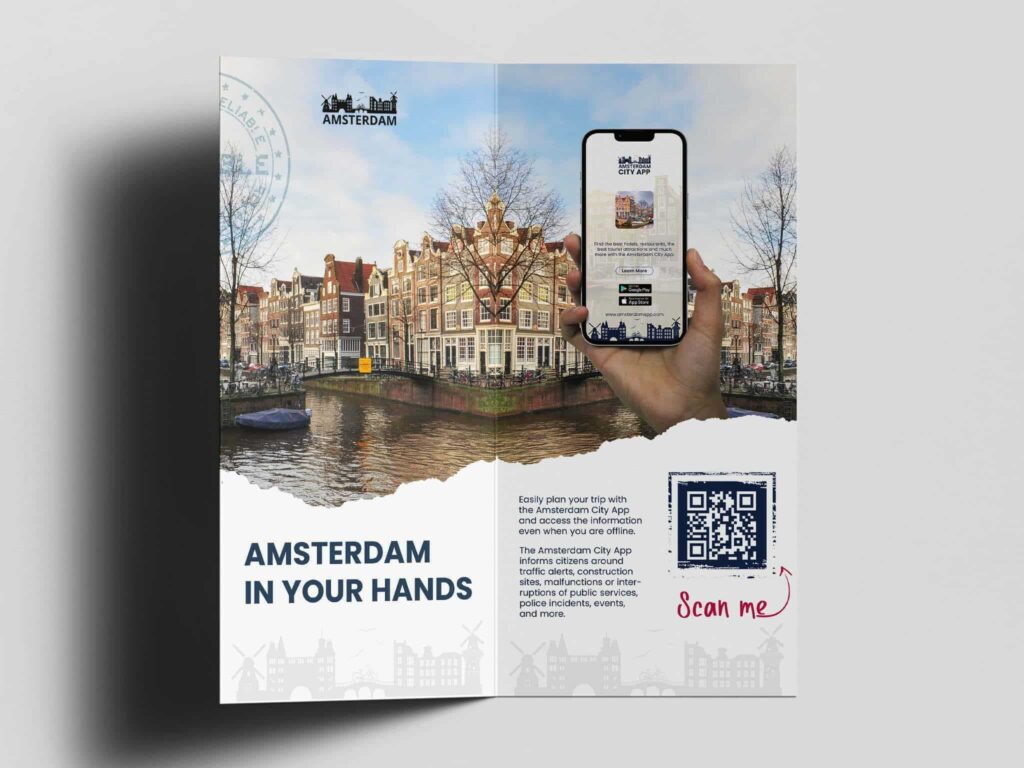
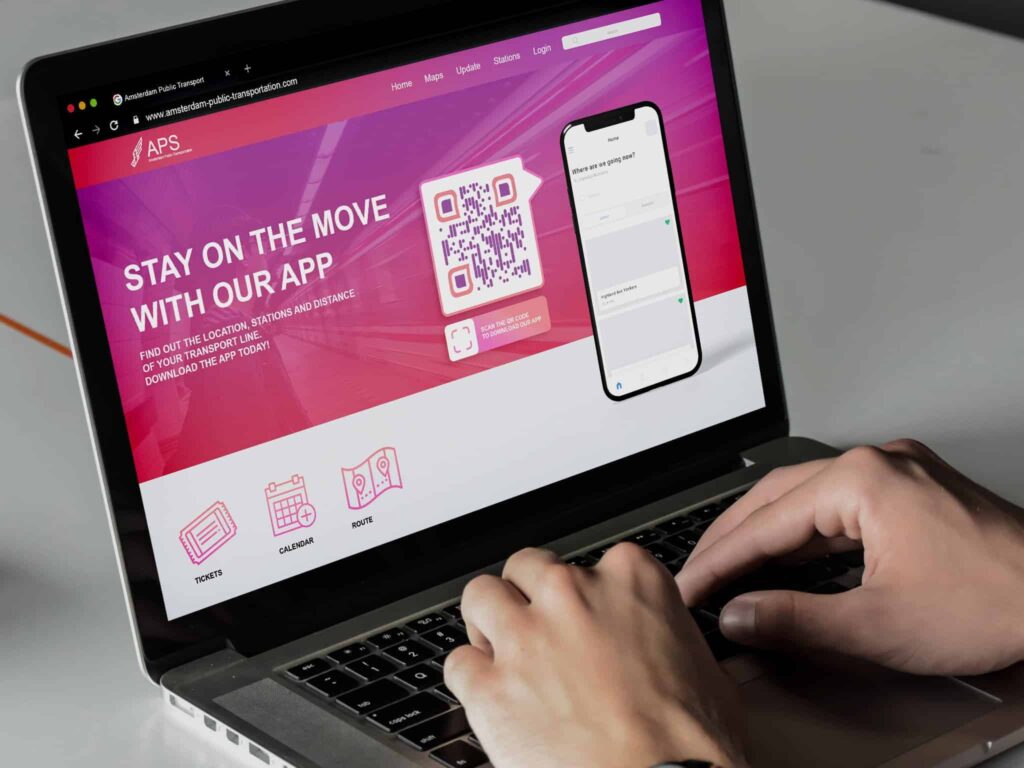
Encourage your audience to scan and download your app. Add the URL to the appropriate App Store or Google Play page to eliminate scrolling amongst competitors’ apps.
Maximize member convenience, giving them direct access to app downloads, class bookings, etc., while providing marketers with insights to optimize engagement and measure performance.