QR Codes for Apps

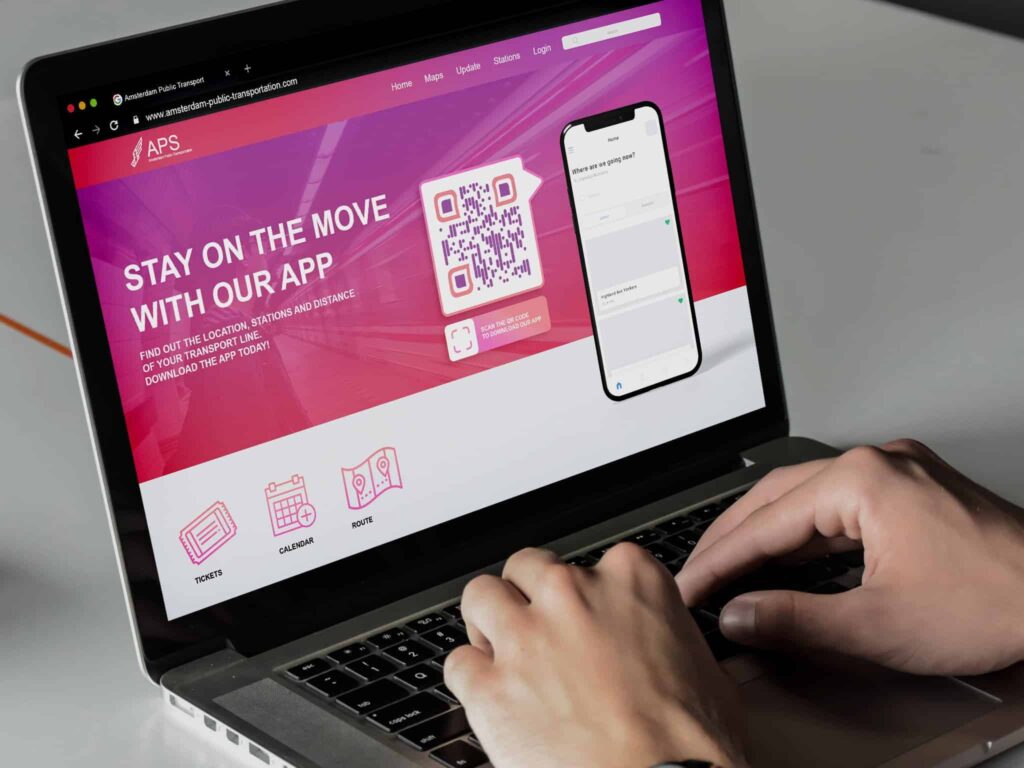
hands on a keyboard in front of a computer screen with a pink ad saying, "scan for our app" next to a pink qr code and phone image
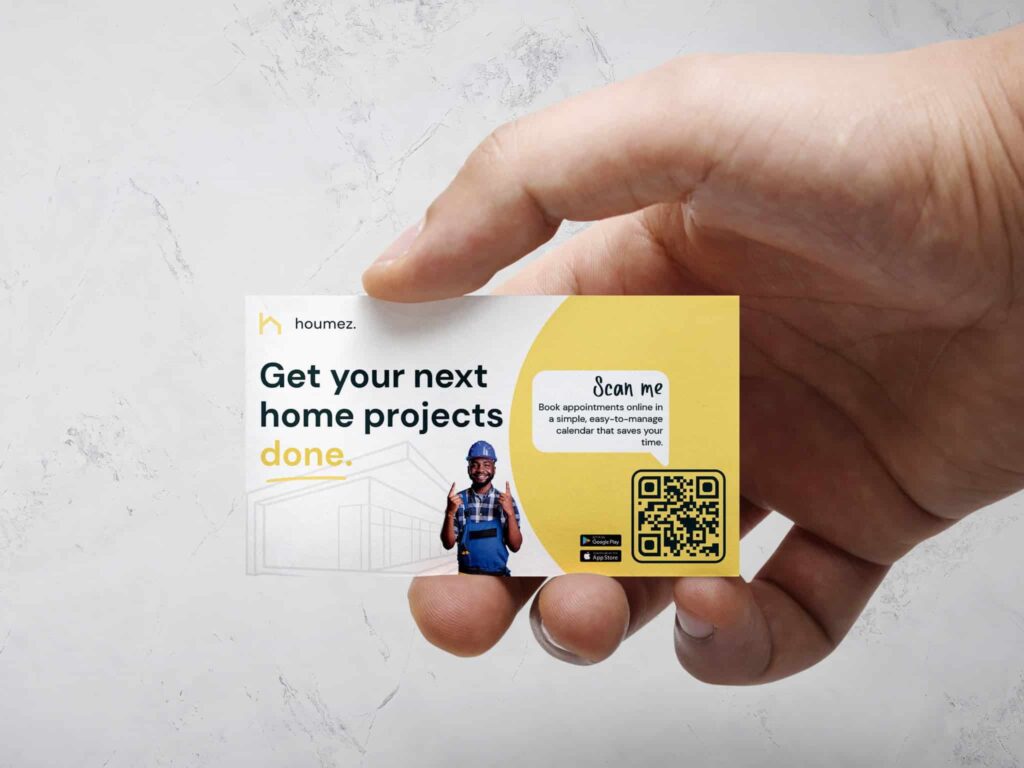
a yellow and white business card with a handyman and his portfolio qr code

You can convert URLs to your apps with an App Store QR Code or a Google Play QR Code so your audience can find and download your app quickly in one scan. This is more convenient than scrolling through an endless amount of apps just like yours, resulting in confusion or downloading a competitor’s.

Benefits of QR codes for apps

QR codes go much deeper than just a scan. If you want more downloads and measurable analytics, this is definitely the easiest channel for you!

QR codes for apps are versatile

You can print a QR code on just about anything! When going to events, print them on a poster, a table tent, or free merchandise. If you have email subscribers, add the QR code to the bottom of the email. Have a storefront or a localized service? Add QR codes to apps on receipts and invoices.

Create QR codes in bulk for franchises

For different QR codes for apps at each location, create QR codes in bulk. You can download the .csv from our QR code generator and input a different link in the URL column for each location. This enables you to create multiple QR codes at once, while keeping the QR code design consistent across all locations. 

When is this useful? Normally, you can just print one QR code and track the number of scans and locations in your analytics dashboard. But let’s say you’re a large corporation with an app in different languages. You could print QR codes in bulk for each option. Or you can use a Multi-Link QR Code with various URLs that people can choose from and track QR codes with multiple links.

Endless scrolling is eliminated

Especially when your app is new, it doesn’t show up at the top of the list. People can type in your exact app name, and twenty others might show up beforehand. A straight link to your app eliminates time and energy spent searching for the right one, causing confusion, and possibly downloading a competitor’s app instead. 

QR codes for apps are customizable

Show off your personal and professional style with a branded QR code for your app. You spread brand awareness and recognition when you’re not using boring black and white QR codes. We have fun and easy-to-use tools that empower you to make them your own every time.

Dynamic QR codes are trackable

We’ll touch more on tracking tips in the section below, but this information is necessary for marketers so you know how to adapt campaigns. Simple things such as QR code placement or on what materials you’re printing on make a big difference. You can adjust as necessary, but receiving concrete and easy to read data in real time is key.

How to create QR codes for apps

You can generate a QR code for an app with just a few simple steps:

Step 1: Go to Trueqrcode QR code generator, and choose the Website QR Code option or the Multi-Link QR Code option. We’ll tell you how each option works:

  • You can either make one Website QR code for the App Store and one for the Play Store (so two QR codes). In that case, you need to add the appropriate logo or CTA that tells the audience which one it is.  
  • You can make a Multi-Link QR code that directs to a QR code landing page. There, you can add each labelled link for the App Store and Play Store, according to that person’s preference. 

Step 2: Customize your QR codes and your landing page, if you have one, with branded, contrasting colors so they scan well, and do a test scan so that you know it works before printing the QR code on marketing materials, and to ensure they go to the correct links. They should also have enough white space around them to scan. 

You can also learn how to use QR code templates so you can keep the same designs for various QR codes and purposes across different marketing channels for brand consistency.

Step 3: Download and save the QR codes in your account. Name your files and organize them in folders so you can refer to them later for editing and future campaign creation.

Step 4: Print the QR codes. Do a test scan after printing in different lights and with different devices.  When using multiple materials like flyers, test print one before all of them. 

Step 5: Track campaigns over time in your account dashboard and modify them as needed.

an app QR code on Digital Signage with a hand holding a cell phone in front of a view of amsterdam
a qr code on a purple digital sign that says, "music event 2023"

Best practices for using QR codes for apps

Check out our use case and industry sections for more creative ways to use QR codes in different places, sectors, and scenarios. Here are just a few that might work for you!

Print QR codes in lobbies, waiting rooms, and front desks

QR codes on table tents or front desks work for places like beauty salons, hotels, restaurants, retail shops, banks, doctor’s offices, and more.

Add QR codes to receipts and invoices

QR codes on receipts encourage post-purchase engagement, so you increase downloads and turn a one-time purchase into a repeat client. 

Bring QR codes to events

QR codes on flyers, free merchandise, and table tents are great for public events, kiosks, conferences, university campuses, and more. Think of a creative QR code poster design or other objects to print them on to increase your downloads.

Promote your app on digital signage

Signs with QR codes are sure to attract attention when placed in malls, public transport areas, and other places that your target audiences hang out. Print them on digital signage and modify your campaigns over time depending on what analytics tell you. If they’re a success, branch out to other locations and cities. This data is one thing conventional, one-dimensional adverts couldn’t tell you.

Strategize your placement

You don’t have to print them everywhere, but you can choose a few places where they will always be seen. Depending on your use, product, service, or physical location, this will look different for you. Do they work better on product packaging, labels and stickers, windows, or something else? You decide! Then, adjust your campaigns over time to attract more downloads.

Tips for making QR codes for apps

For the best QR code campaigns that get your audience scanning and downloading your app, here are some useful tips to get the most out of your QR code.

Use Trueqrcode’s analytics dashboard for simple tracking

Our QR code generator with tracking enables you to determine:

  • Number of scans
  • City the QR code was scanned in
  • The time and day a QR code was scanned
  • What type of device scanned the code, i.e.: iOS or Android 

This is important because having an idea of where to print a code, on what surfaces, in what cities, or in certain locations like a mall, university, gym, etc., is necessary for marketers to track performance. Whether or not people took action and downloaded the app, is not included in the Trueqrcode analytics dashboard. 

This data empowers you to change locations or materials that the QR code was printed on to be able to improve your campaigns. A/B testing done over time, not overnight, is essential for long-term success. 

Track where your app downloads come from with UTM parameters

For more advanced campaign analytics, add UTM parameters to your app URL to see which QR code placements drive the most traffic and downloads. For example, you could use different parameters for posters, packaging, flyers, and social media campaigns. This makes it easier to identify which channels are generating the most engagement. 

Here’s an example of a UTM parameter and a breakdown:

?utm_source=poster&utm_medium=qr_code&utm_campaign=app_download

  • utm_source = where the QR code appears, such as poster
  • utm_medium = the channel, such as qr_code
  • utm_campaign = the specific campaign, such as app_download

Regarding QR code tracking: UTM parameters can tell you where the traffic came from, but they don’t inherently tell you that an app was successfully installed. To measure actual downloads/installs, you’d typically need app-store analytics or an attribution platform in addition to UTM tracking.

Add your logo for brand recognition

QR codes with logos have been proven to perform better. You can either add your branded company logo, or you can add the Play Store or App Store logos in the center so people know what they’re getting when they scan. Make sure your QR code logo size doesn’t exceed more than 15-20% of the QR code.

Add a compelling call to action

You can add a CTA to your QR code frame or to your marketing materials. Say something like:

  • Scan to download our app.
  • Download the app here.

For more specific industries or uses, get creative. Here are some examples of successful CTAs:

  • For restaurants – Scan to place an order.
  • Public transport – Buy tickets here.
  • Banking – Manage your account from your cellphone.
  • The gym – Book your classes in our app.
  • Ecommerce – Download the app for exclusive offers. 

We suggest a CTA more tailored to your industry and use case so people have a reason to take action, not simply scan. 

Print QR codes where they are useful and convenient to scan

Print QR codes where they will be seen by the correct audience, on surfaces that are easily scannable, and in places they will not be obstructed by other things. This might mean multiple codes in different places, or the same code printed in different places. It doesn’t have to be printed on every marketing material you have, but maybe in your lobby, on a receipt, on a poster at an event, etc. You’ll see what works best for you through analytics. 

FAQs

Here are some FAQs and their answers about creating successful QR codes for apps.

You can create a URL QR Code with the link that directs your audience directly to your app. Or, you can generate a Multi-Link QR Code that goes to a landing page with options for iOS and Android apps that they can choose from.

No. The user has to choose to download the app after scanning the code.

You should print App QR Codes where they are conveniently seen and scanned, and in places that target your ideal audience. Materials and locations will be different for everyone based on your industry and objectives.

In Trueqrcode’s dashboard, you can track App QR Codes by the number of scans, times, days, and locations of scans, and on what type of device they were scanned, i.e.: iOS or Android. To take things further and track actual downloads, you would need to consult the analytics of your app accounts themselves, or set up unique URLs with UTM parameters for different QR code placements to track where visitors come from. 

App QR codes are an additional way to encourage people to download your app with ease. In theory, this marketing channel increases the amount of visibility your app will get, thus increasing downloads. However, direct downloads are not guaranteed, as your audience will choose to download your app based on how much they like or need the app itself.