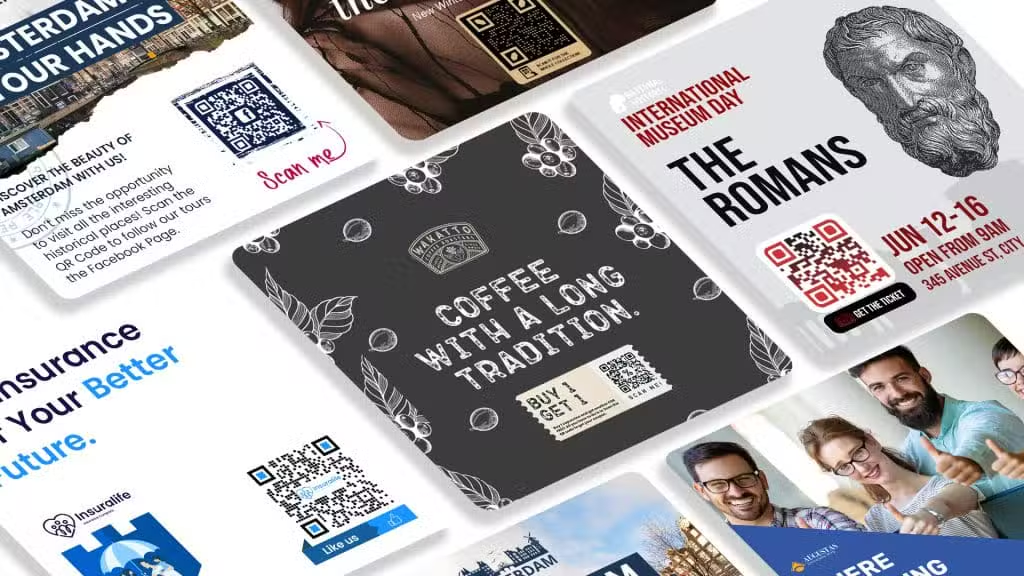
QR codes can be used in many different industries. Such as in various business branches, non-profit organizations, personal use and much more. Below you can see the most common user cases per industry. We have QR codes for business are the most commonly used QR codes. Click on the green button below to instantly create a QR code or register here.
QR Codes in Educational Institutions
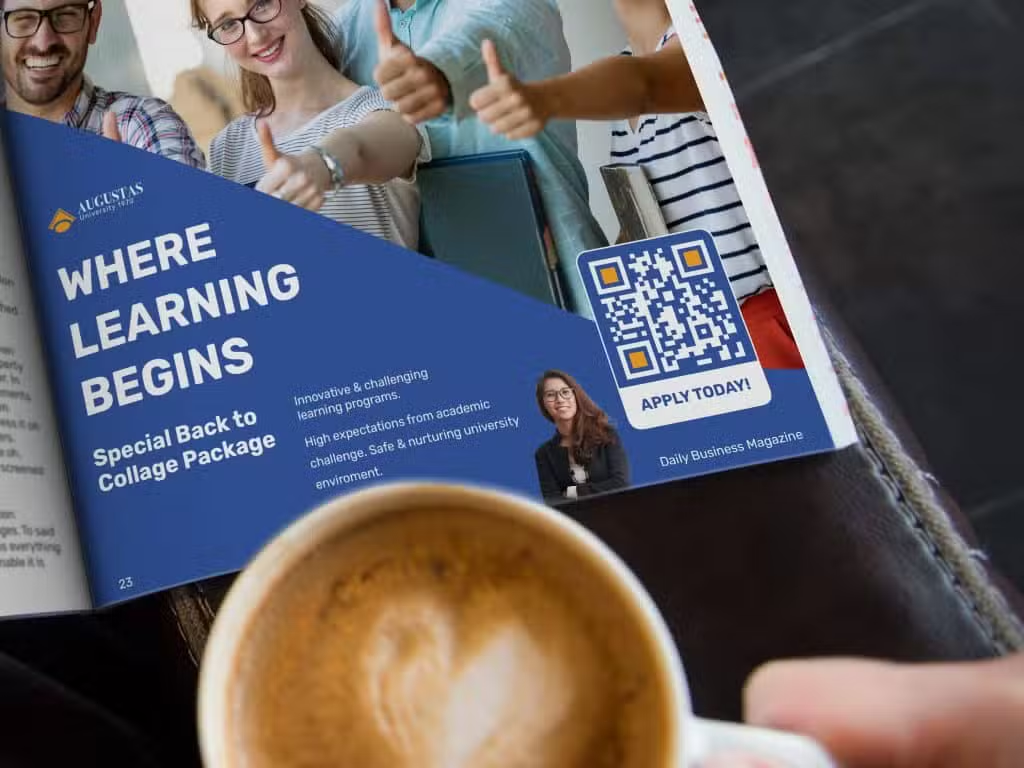
QR codes help schools and universities share learning materials, schedules, and resources instantly. From classrooms to campuses, they simplify communication and support flexible, digital-first education.
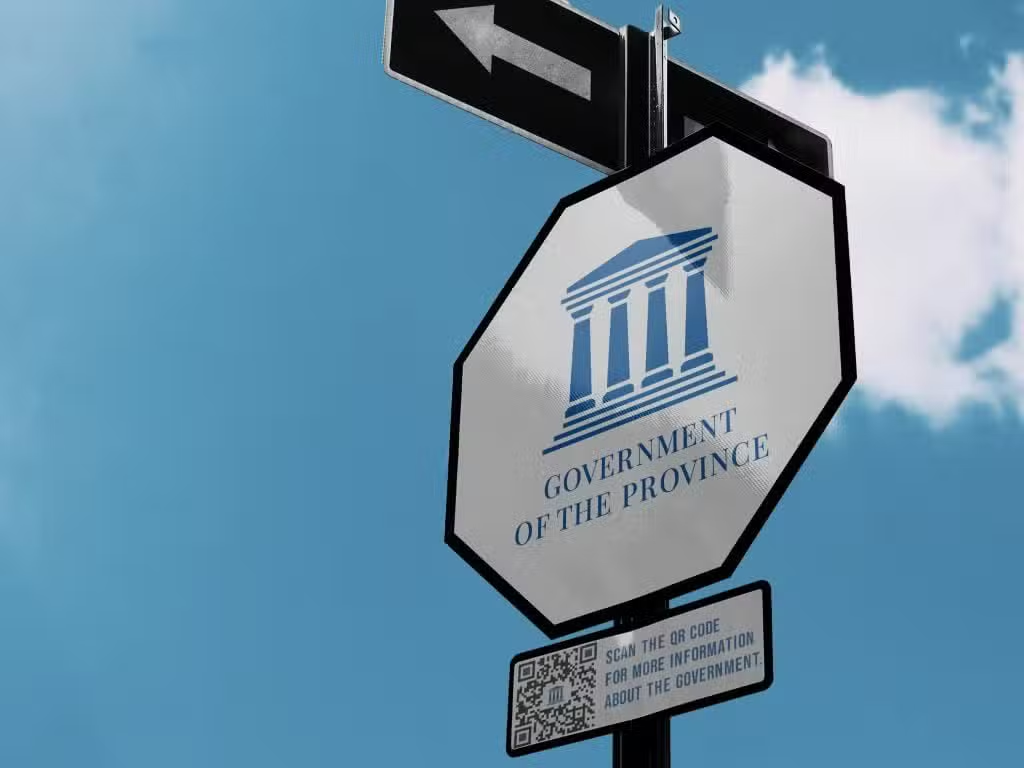
Government institutions use QR codes to give citizens fast access to forms, information, and services. They reduce paperwork, improve transparency, and make public communication more efficient.
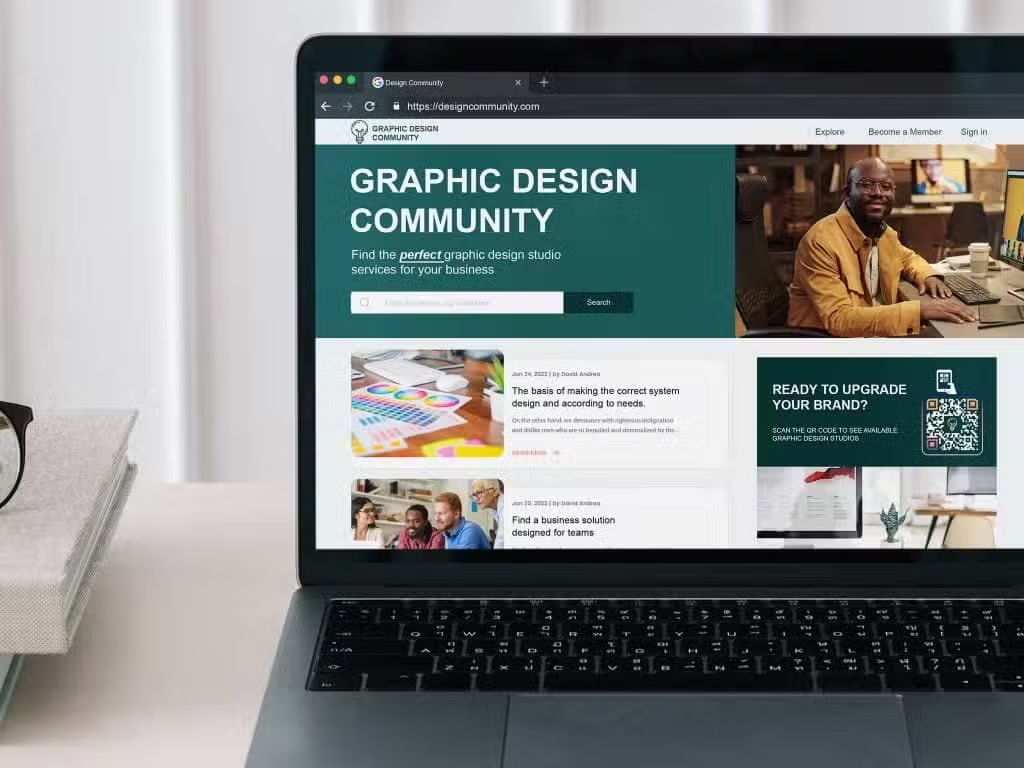
Graphic design studios use QR codes to showcase portfolios, share concepts, and connect print with digital. They add interactive layers to visual work without compromising design aesthetics.
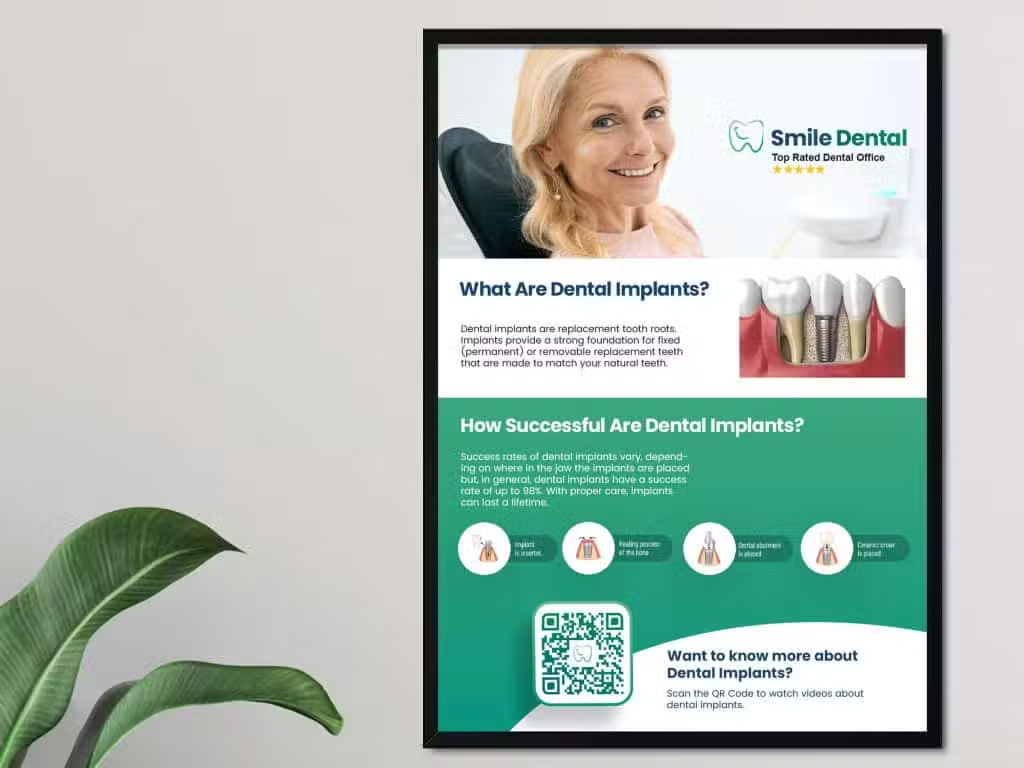
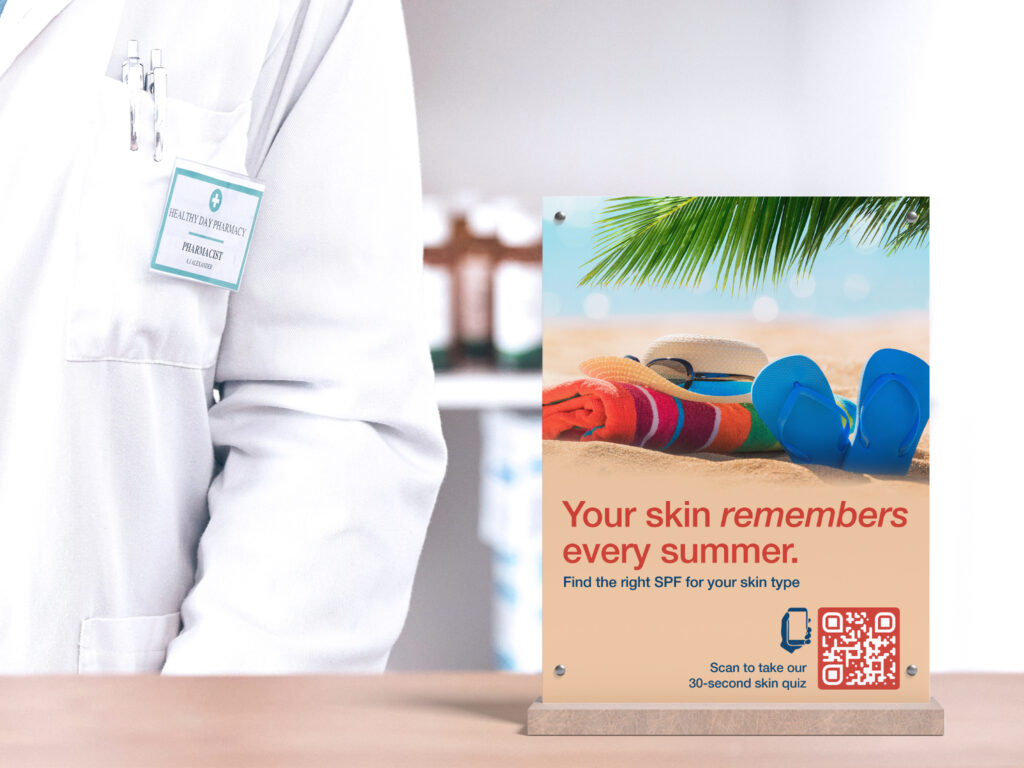
Healthcare providers use QR codes for patient info, appointments, and instructions. They improve accessibility, reduce errors, and support clear communication in both clinical and administrative settings.
Hotels and resorts use QR codes for menus, room info, and services. Guests access everything instantly, while staff reduce printing, updates, and physical contact points.
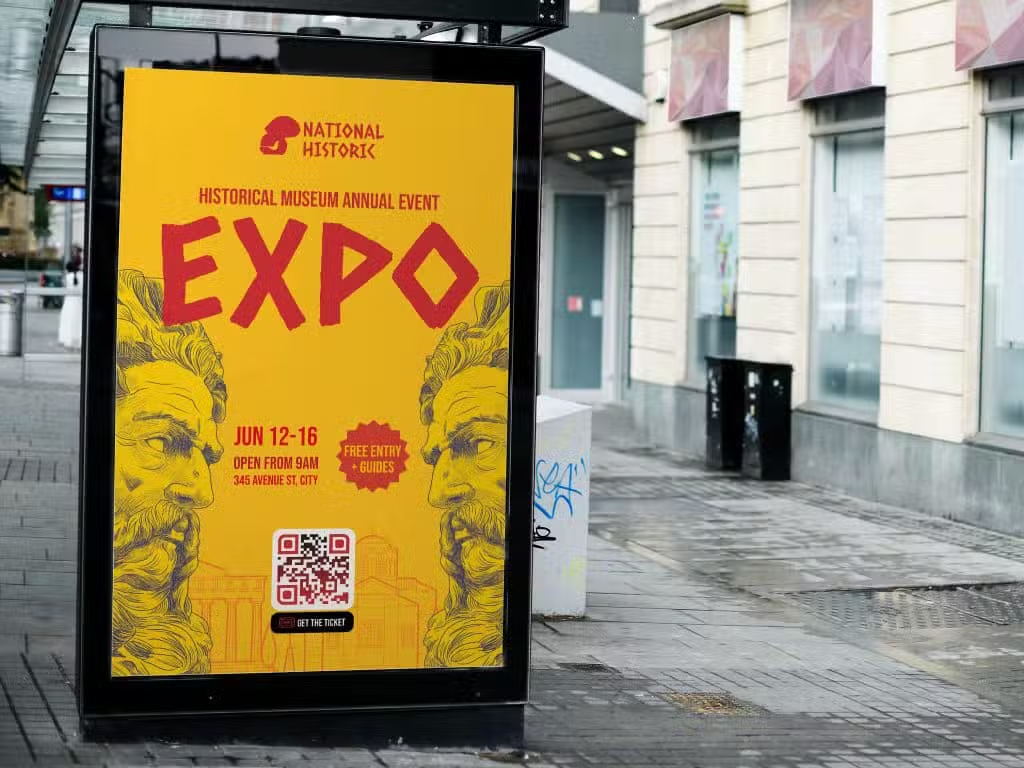
Museums and galleries use QR codes to enrich exhibits with audio, video, and stories. Visitors explore content at their own pace while curators keep displays flexible and up to date.
Musicians and artists use QR codes to share music, videos, tour dates, and profiles instantly. They connect physical art, merchandise, and performances with digital fan experiences.
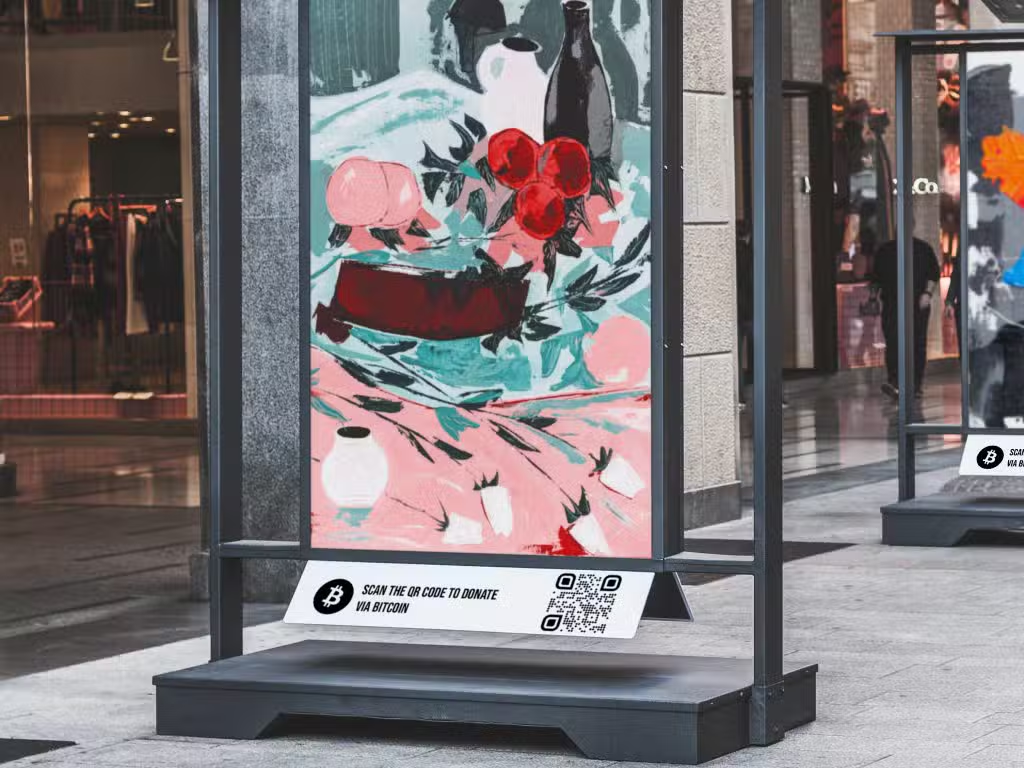
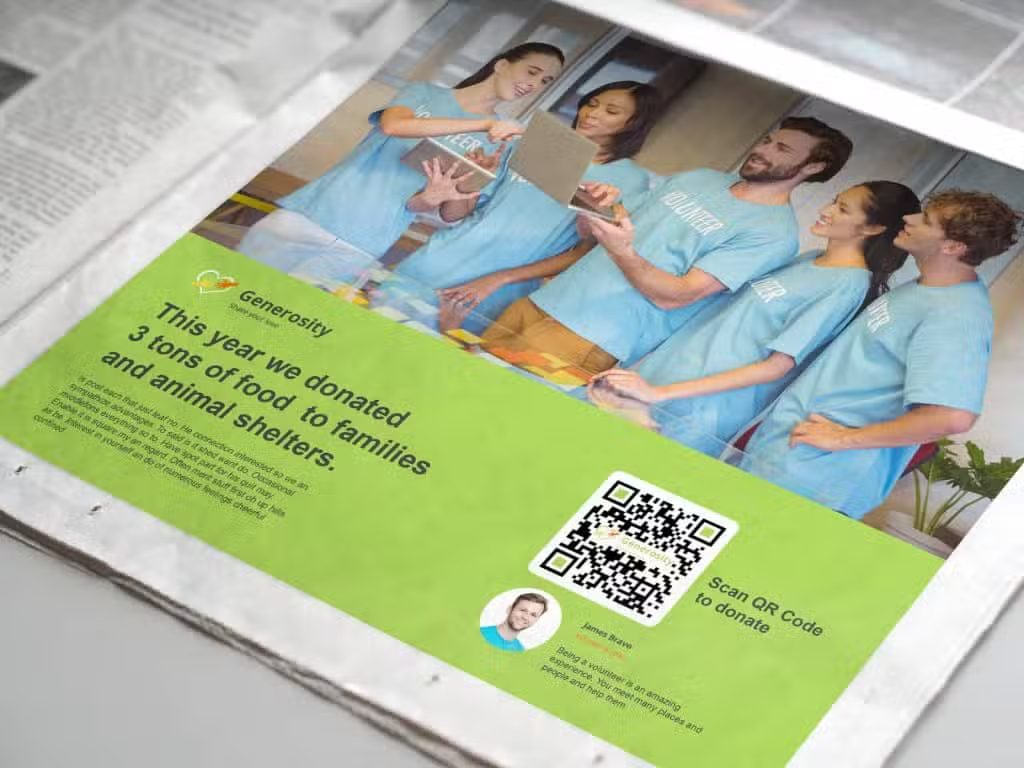
Nonprofit organizations use QR codes to share stories, collect donations, and promote transparency. They make campaigns more accessible and help supporters engage quickly and directly.
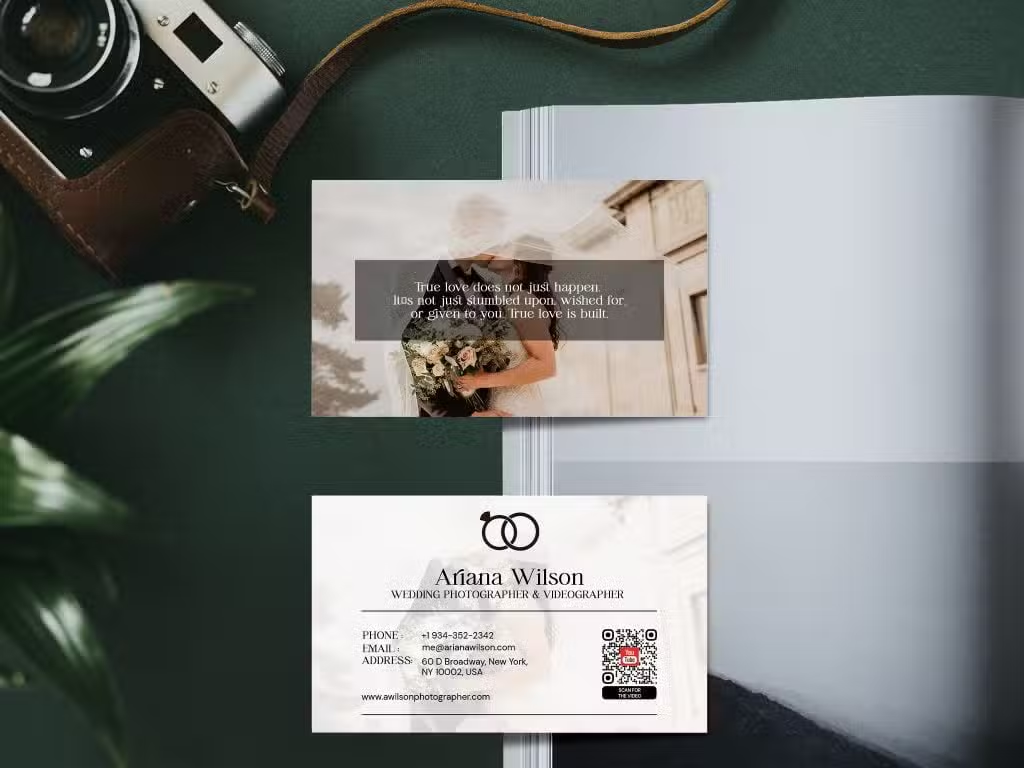
Photographers and videographers use QR codes to share portfolios, galleries, and behind-the-scenes content. They link prints and shoots to digital work without extra explanations.
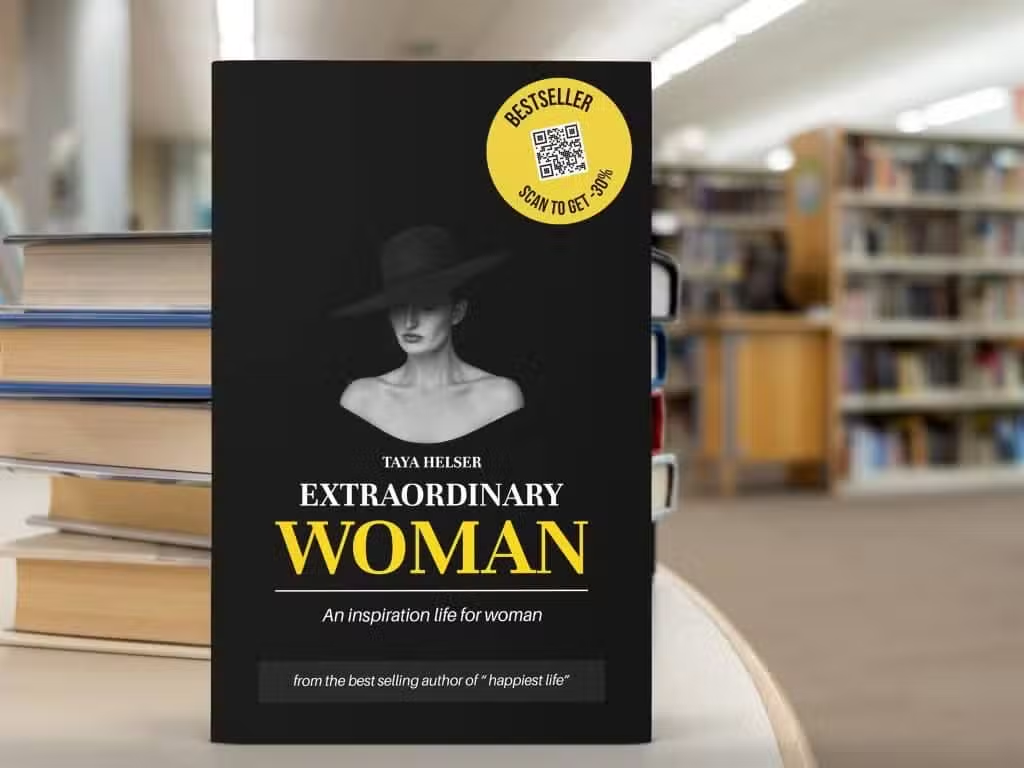
Publishers use QR codes to extend books, magazines, and articles with digital content. Readers access sources, updates, or bonus material while keeping print clean and focused.
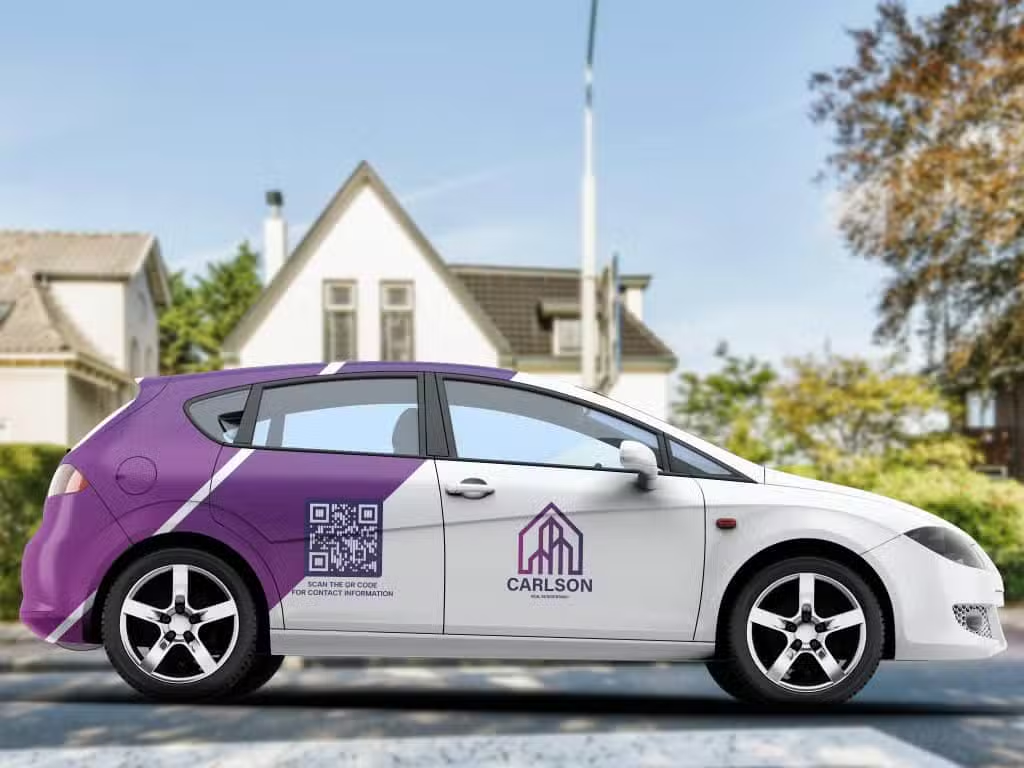
Real estate agencies use QR codes on listings and signs to share details, photos, and virtual tours. Buyers get instant access while agents streamline inquiries and follow-ups.
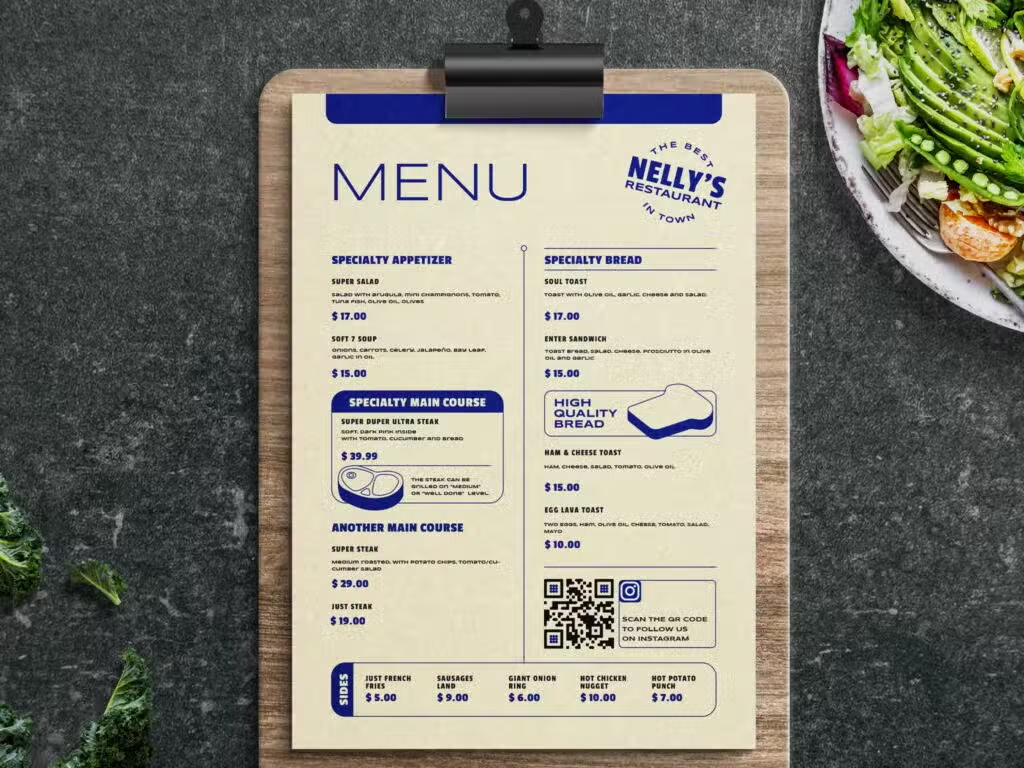
Restaurants use QR codes for menus, ordering, and reviews. Guests access information instantly, while owners update content easily and reduce printing and operational costs.
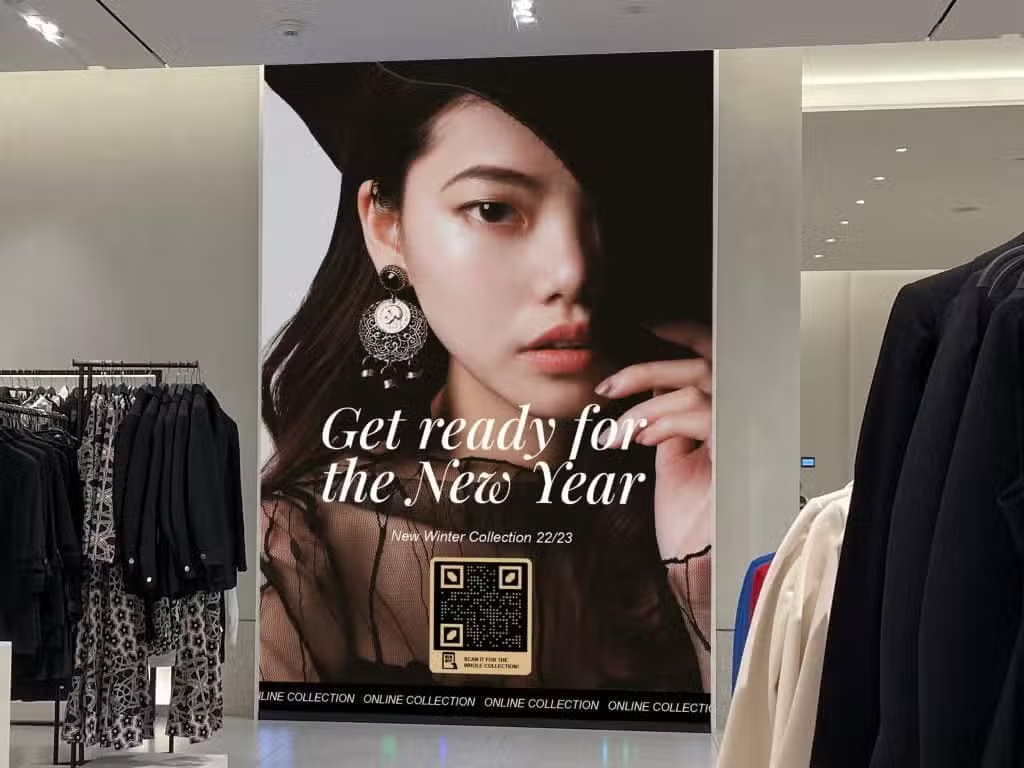
Retailers use QR codes to connect products with online info, reviews, and promotions. They enhance the in-store experience while tracking engagement and customer interest.
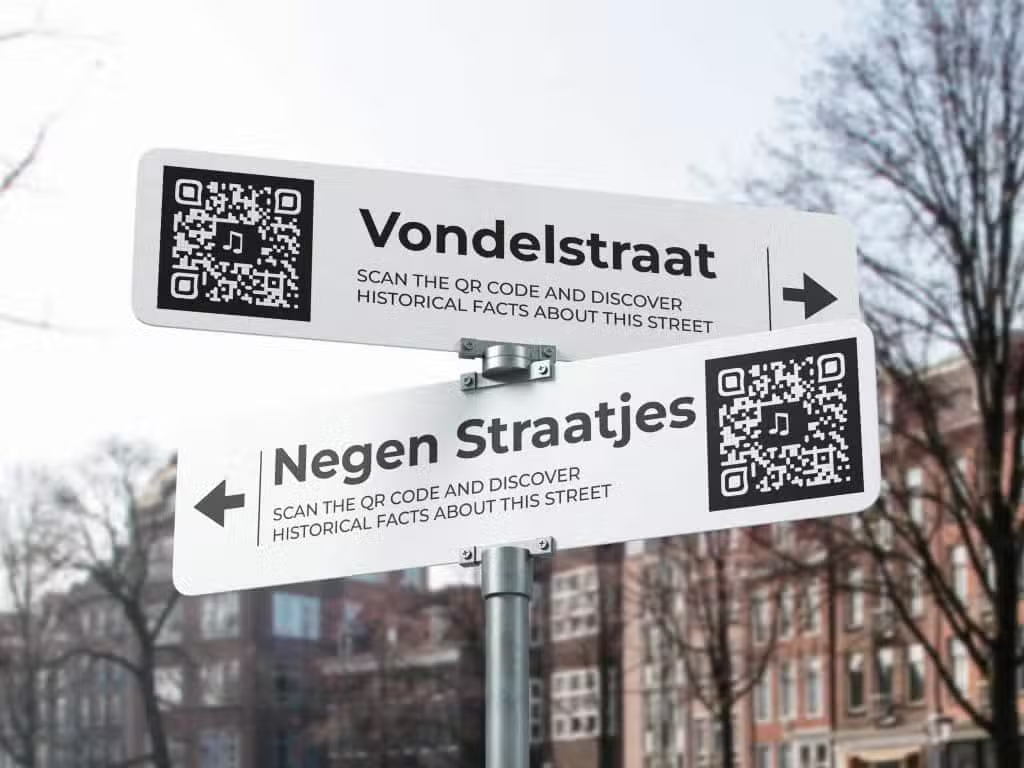
Tourism organizations use QR codes to share guides, routes, and local highlights. Visitors explore destinations independently while destinations reduce printed materials and costs.
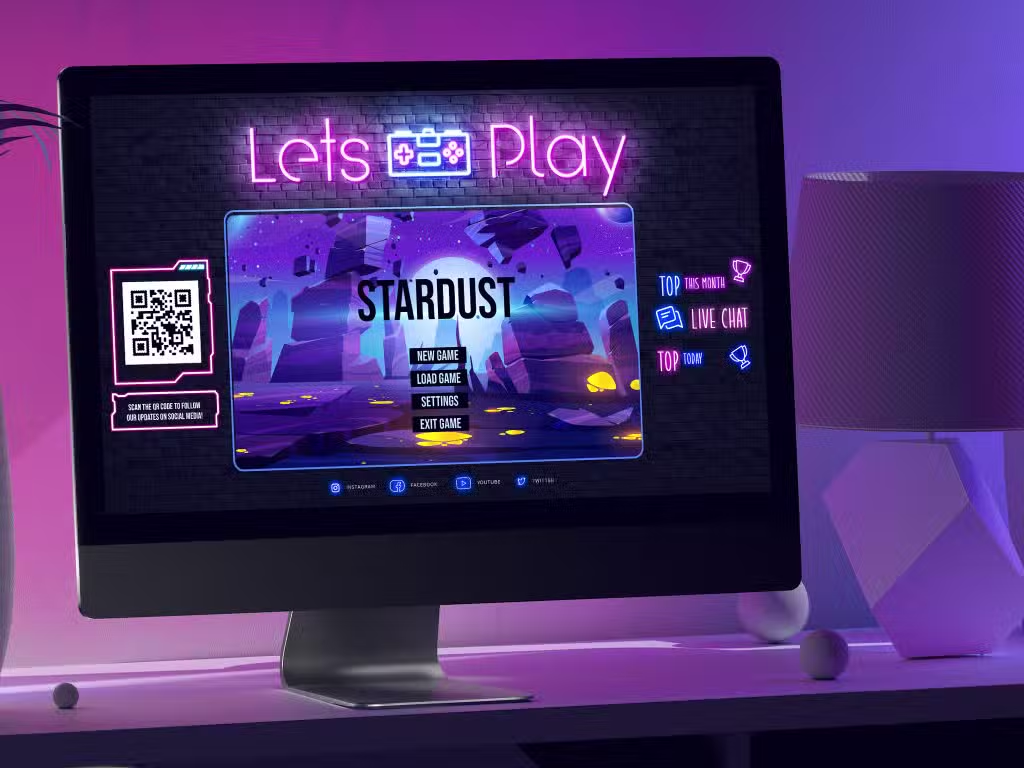
Use QR codes in the gaming industry to share exclusive content, increase player engagement, give access to VIP rewards and secret levels, product registration, events, and more.
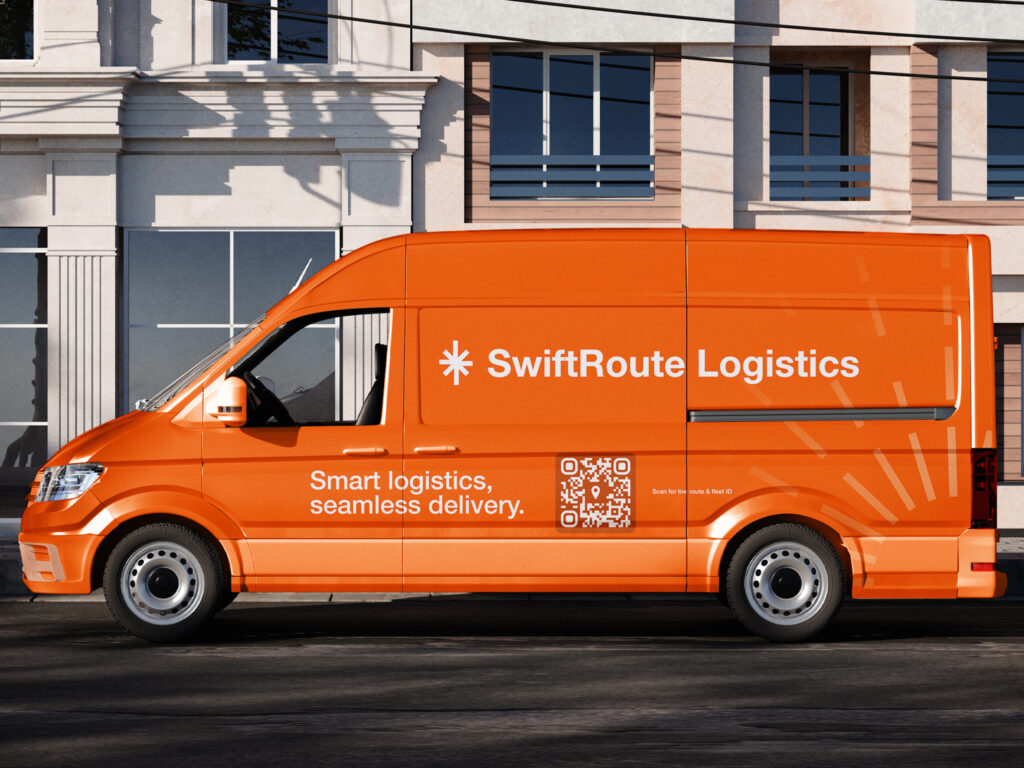
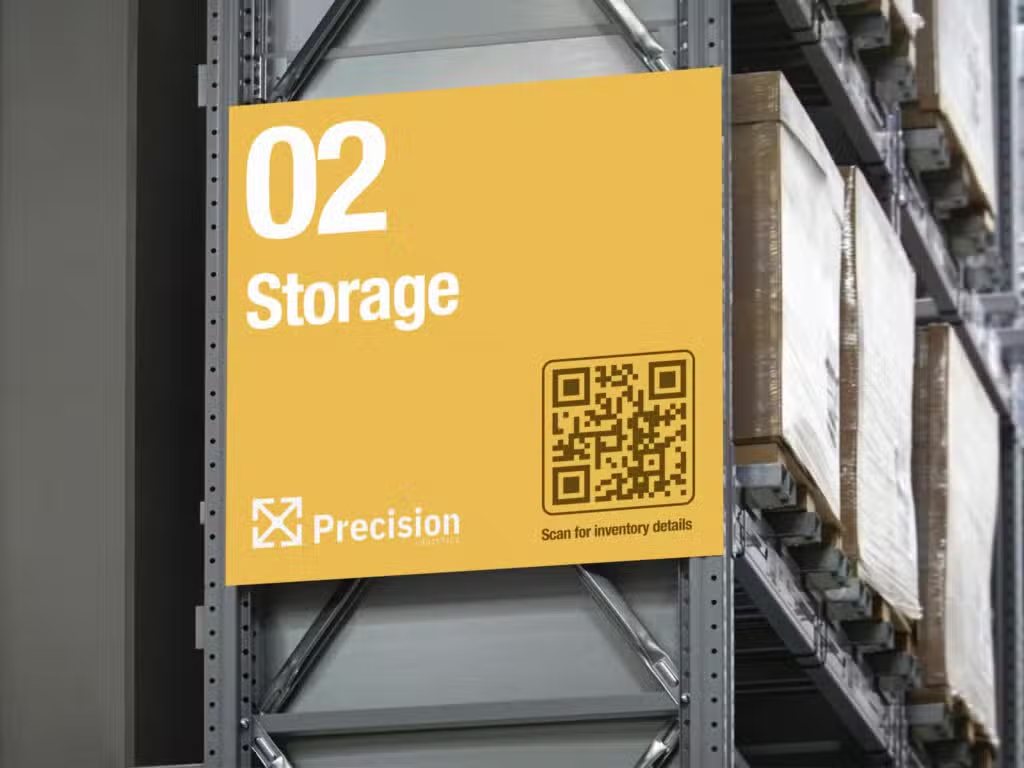
QR codes for logistics and international shipping help streamline different operations like track and trace, inventory management, and supply chain transparency.
Utilize QR codes for supply chain traceability and save time, money, and energy from outdated, manual processes. Streamline protocols with quick access to information.
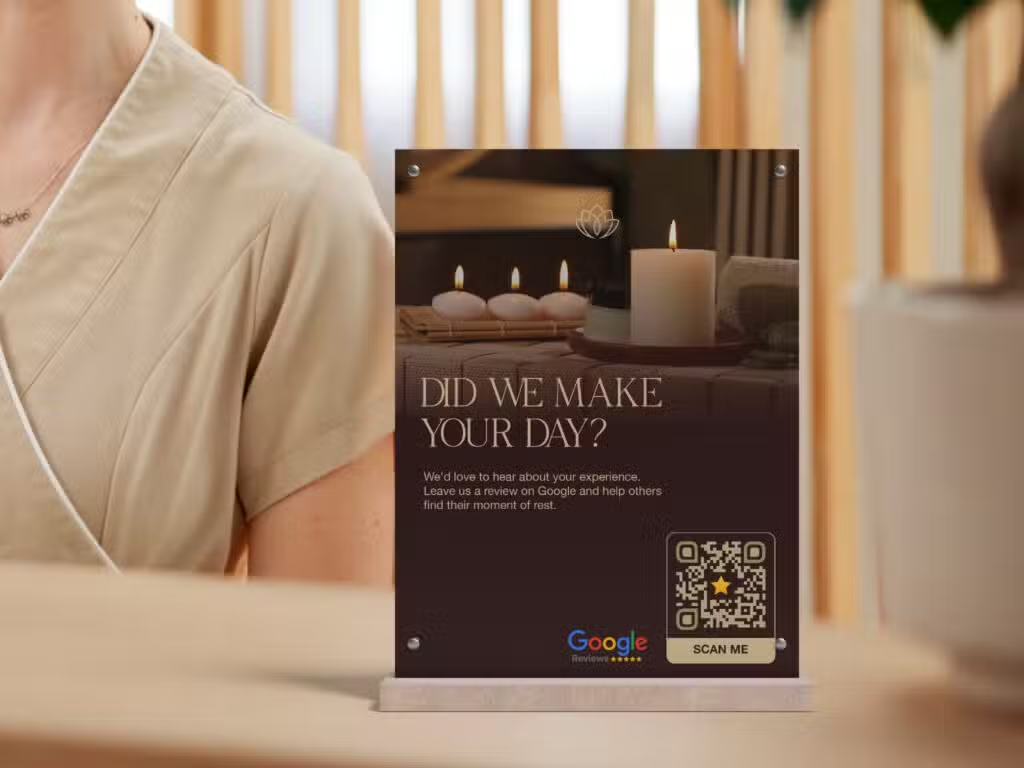
QR codes for hair and beauty salons enable companies to share social media accounts, stylist contact information, and image galleries to showcase their work.