The retail industry is going to benefit from transforming from 1D barcodes to 2D barcodes by 2027. While consumer expectations continue to rise regarding sustainability and fair working practices, stricter regulations are being implemented internationally in relation to ESG. Sunrise 2027 ensures that retailers will need to recreate how they label, track, and present information about their products. The Barcode QR Code, powered by the GS1 Digital Link, is the best tool for such an industry upgrade. Unlike traditional barcodes, these next-gen 2D codes are scannable by both checkout systems and smartphones, connecting the physical product to real-time digital data.
When using a GS1 Digital Link, the same QR code can be scanned at any point in the supply chain process, and directing that user to the correct information, whether they’re a customer, supply chain worker, or regulator.
So how are retailers actually using them today? Let’s look at the top five use cases where barcode QR codes are already creating value across the retail chain.
Product transparency and safety regarding ingredients, nutritional information, and allergens
Between EU and FDA regulations for food products, disclosure regulations regarding pharmaceuticals, and any other compliance requirements in your region, GTIN QR codes will be necessary by 2027 as an industry-led transition.
Example: A cereal box displays a QR code for food packaging. When a shopper scans it, they instantly see nutritional facts, allergens, and even personalized recipe suggestions based on their dietary preferences. An even bigger bonus: now kids can play interactive games on mobile phones and tablets that came from QR codes they scanned on the box!

Dynamic promotions and campaigns
Barcode QR codes are dynamic QR codes, meaning they can be updated on the backend without having to reprint a physical code so retailers can change their campaigns over time. This is perfect for limited-time offers and seasonal promotions. Add a CTA letting the audience know there is more to come later, and fulfill that promise with cool discounts and giveaways. This builds up anticipation, leading to customer loyalty.
Moreover, loyalty rewards and repeat purchases are increased when people scan QR codes that lead to reward programs, newsletter sign ups, or downloaded apps.
Interactive games are also becoming popular by scanning QR codes, as they can be placed in stores, on products, posters, or outdoor locations, where each scan unlocks a clue, puzzle, or mini-challenge, completing all of the steps until it ultimately leads participants to a reward.
Example: A beauty product in-store features a QR code with content that changes monthly. One month, the barcode for cosmetics products links to a tutorial, the next to a discount for returning customers.
Traceability and recall management are enhanced with an extra communication channel
In sectors like food, cosmetics, or electronics, traceability is critical. Barcode QR codes can contain or link to logistics and regulatory information where supply chain workers can easily pull up batch numbers, expiry dates, manufacturing locations, and quality certifications. Retailers themselves use these codes for inventory management, in-store shelf scanning, and in shipping and receiving departments. By integrating 2D codes into internal systems, they streamline logistics and improve accuracy. Any in-depth information can be stored on landing pages that the QR code links to, saving on product packaging.
If a product needs to be recalled, customers and retailers alike can instantly access that info without relying on vague print or customer service. QR codes are an additional channel to in-company emails, or social media and news posts externally, if products have already been sold.
Example: A food package containing strawberries has a GTIN QR code. For farm-to-table information, traceability is increased by displaying the farm of origin, harvest date, packing facility, batch number, transport history, and quality checks. If there happens to be a recall, that information would also pop up.
Smart packaging promotes optimum sustainability
Minimize packaging while increasing sustainability information. Barcode QR codes enable brands to keep packaging clean without sacrificing important information like recycling instructions, the product’s CO₂ impact, ethical sourcing stories, and more.
Brands can also support ESG claims more effectively with QR codes. Consumers and regulators want to see proof of eco-certifications, ethical working practices, fair trade information, logistics with the country of origin, etc. Since all of that information would have meant heaps of paper and ink prints in the past, and in different languages, it would have been inconvenient. But now, 2D barcodes empower retailers to share massive amounts of information with even less packaging than before!
Example: A clothing tag features a small 2D QR code. After scanning, the shopper sees where the cotton was grown, who made the garment, and how to recycle it.
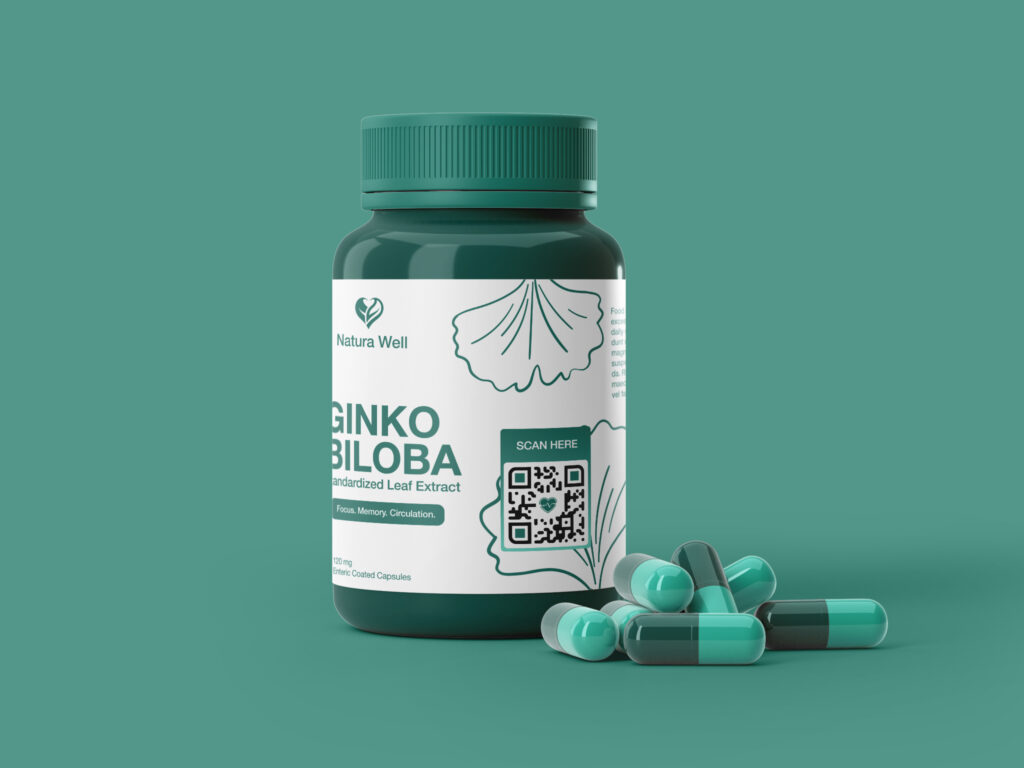
Omnichannel integration encourages post-purchase engagement
The line between online and offline retail is fading. Omnichannel integration enables brands to connect the physical and digital aspects of a product through multiple touchpoints. With 2D codes, brands can add a digital ecosystem to their packaging, and the post-purchase engagement will take off from there.
A QR code on product packaging could be directed to a mobile-optimized product page, social media channels, or encourage loyalty program sign-ups. This invitation to join a brand’s community turns individual purchases into online relationships, cultivating brand trust, which increases repeat purchases.
Brands can also connect a QR code to a URL for feedback that allows customers to review a product or company online, or to video tutorials that add value to the product when used correctly. When customers know how to optimize the use of the product, the reviews they get are even higher.
Example: A kitchen appliance comes with a QR code on the box. After scanning, the customer gets a setup video, access to purchasing or viewing complementary accessories, and an extended warranty registration page, all from one code.
The Bottom Line
Barcode QR codes are no longer just a tech trend; they’re a practical tool that adds digital value to a physical product, for retailers and consumers. In retail, where margins are tight and customer expectations are high, that connection makes a difference.
Whether you’re running a supermarket, fashion brand, pharmacy, or electronics shop, QR code marketing and information sharing is now a must-have.
Smart packaging is here. And it’s shaped like a square.
