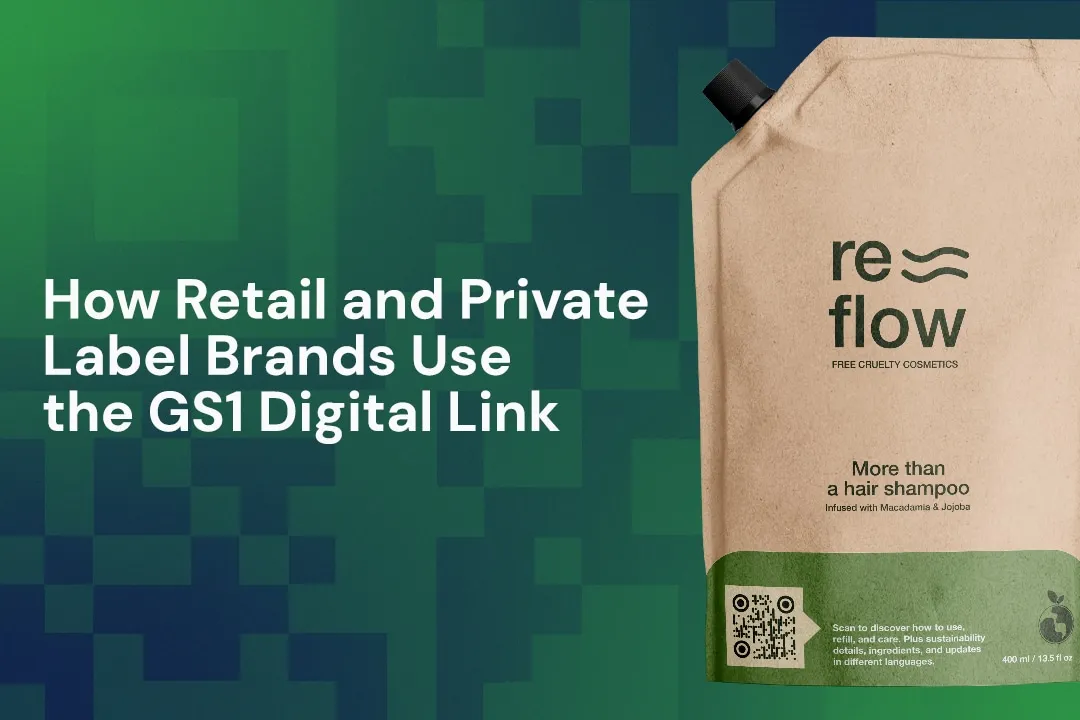
Retailers and private label brands are gearing up for GS1 Sunrise 2027 by combining barcode technology with diverse content for the supply chain, regulators, and customers, all in a GS1 Digital Link QR Code.
Retailers and private label brands can prepare additionally by making sure POS systems are up to date, by training employees how to search for the data they need, and assigning ownership of QR codes to certain teams. This is all easy to do considering all of the data needed can be linked to a QR code landing page, and team members can add information to those sites themselves as they did before.
While some believe that package redesign will be a burden, only small adjustments need to be made. In fact, putting more information into one small QR code with a GS1 Digital Link means that it would be condensed. Smart packaging means saving space while providing content to multiple stakeholders all at once.
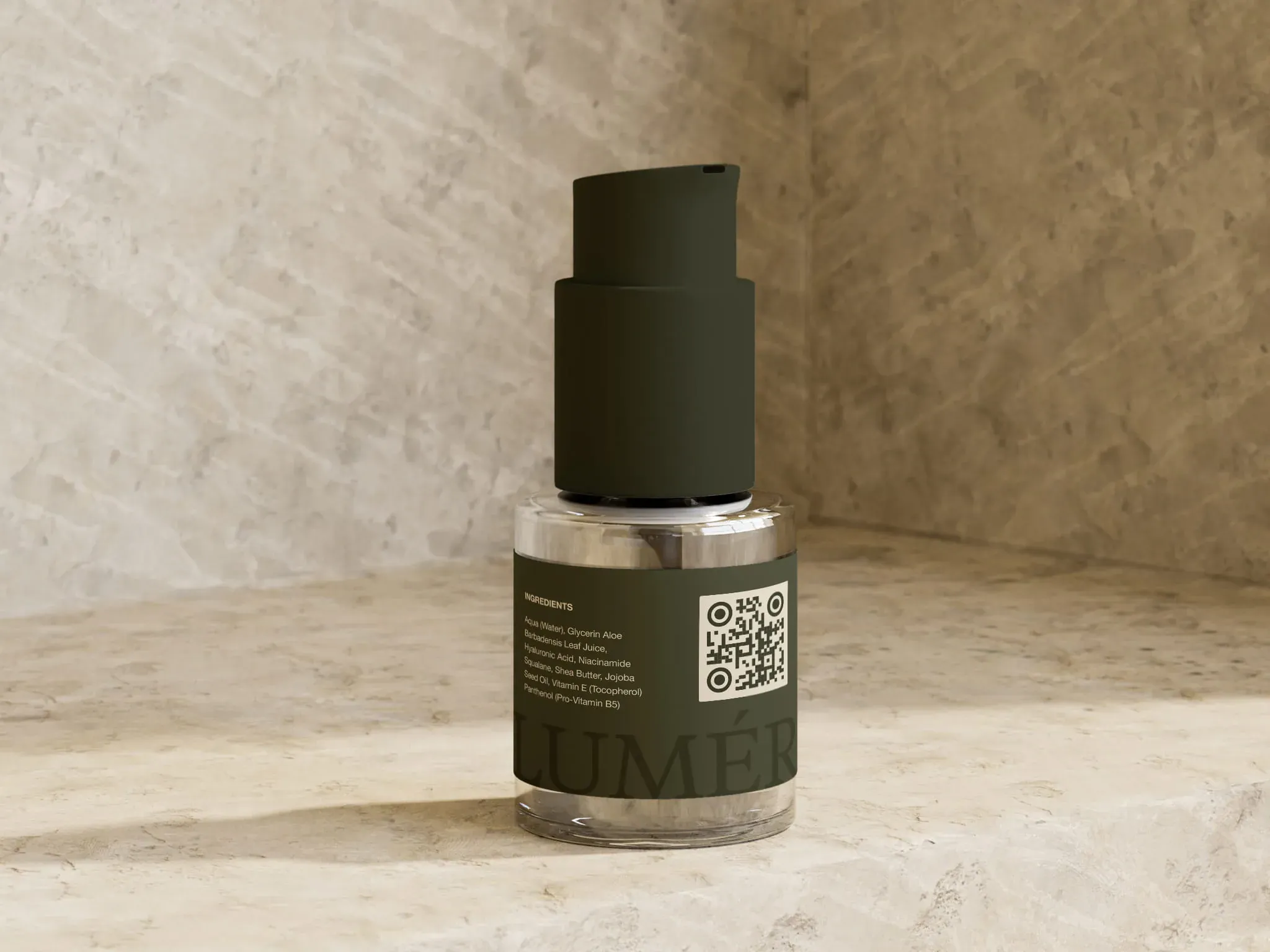
Why brands are switching from traditional barcodes to 2D barcodes
2D barcodes, which include QR codes, hold all product information on a landing page with links. This takes away heavy packaging and multiple barcodes and QR codes on packaging, making it less cluttered and condensing all of the information into a centralized place. It keeps supply chain organization, regulations, and consumer curiosity satisfied.
Accompanied by a resolver service that tells the server what device is scanning, the place, etc., the scanner is directed to the correct information for that scanner. So if a manufacturer scans at some point in the supply chain, a retailer scans at a POS, or a customer scans with a smartphone, they would be directed to the correct information for them.
It sounds complicated, but the resolver does all the work (more on that below). All you do is generate the QR code with the content that you want to share.
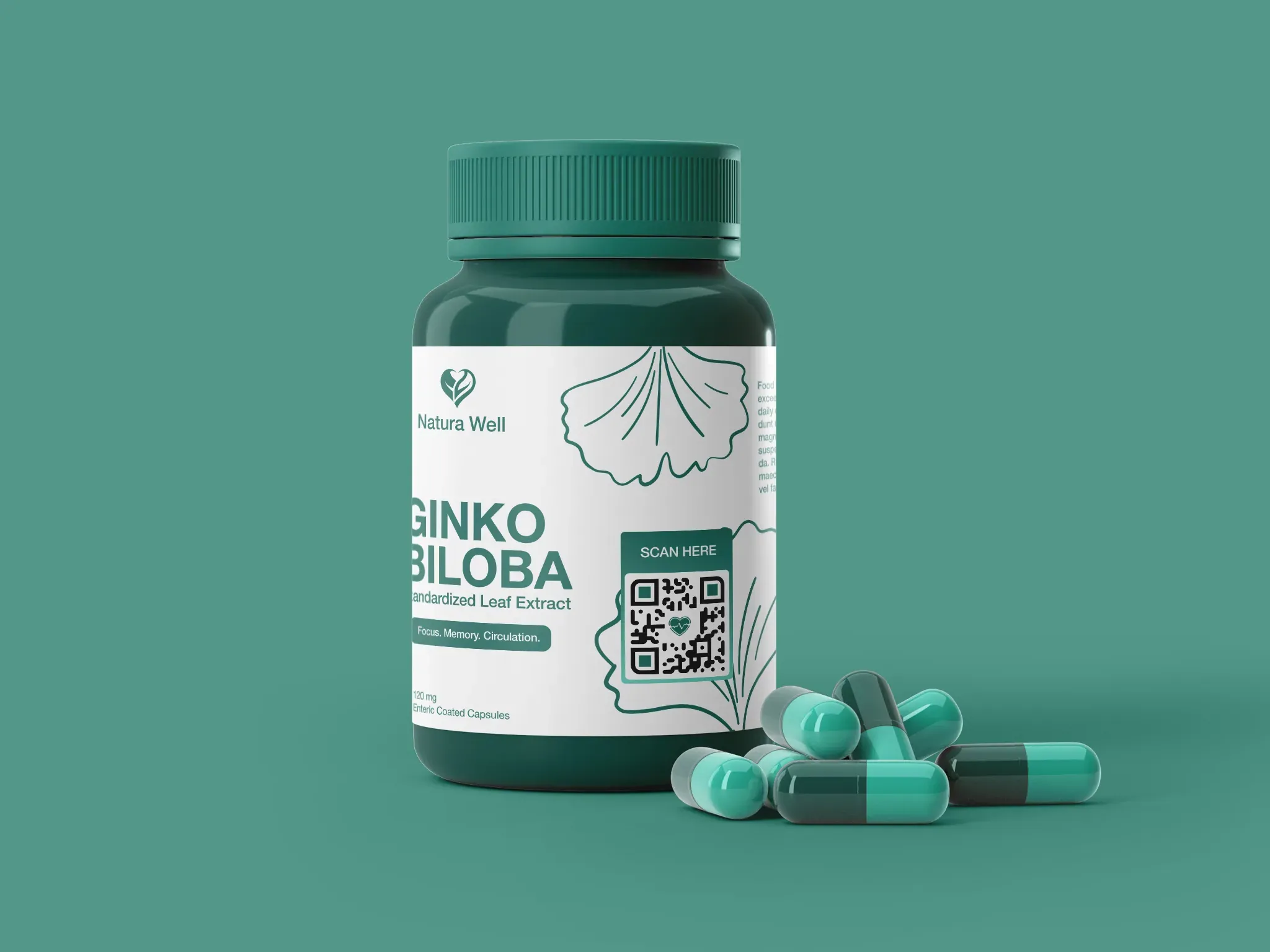
How can you utilize 2D barcodes for retail on private label products?
2D barcodes for retail are best used to do the following:
Include more product information
Satisfy customer curiosity with complete information regarding ingredients, allergens, lifecycle use, disposal instructions, product instruction manuals, histories of origin, and more.
Add extras so customers get the most out of private label products
Provide links to useful recipes, tutorials, promotional offers, complimentary product suggestions, signups, warranties, etc.
Improve supply chain visibility
Supply chain traceability is optimized in one tiny QR code. Keep all of the information workers need to know by updating the information in places where the code is linked to.
Enhance smart packaging
No more cluttered packaging with heaps of wording, barcodes, and black and white QR codes. Create a customizable QR code that does it all and matches well with your company branding.
Track GS1 Digital Link QR Codes
QR code marketing works best when it is analyzed over time. Traditional product packaging can’t do that alone. You can track QR codes with multiple links, such as GS1-approved codes, to improve customer engagement and boost sales.
Edit information on the backend without reprinting
Edit QR code links so you can evolve your QR code marketing campaigns over time. With A/B testing, you’ll decide what information your audience needs. You can also modify QR codes for seasonal campaigns without changing physical packaging.
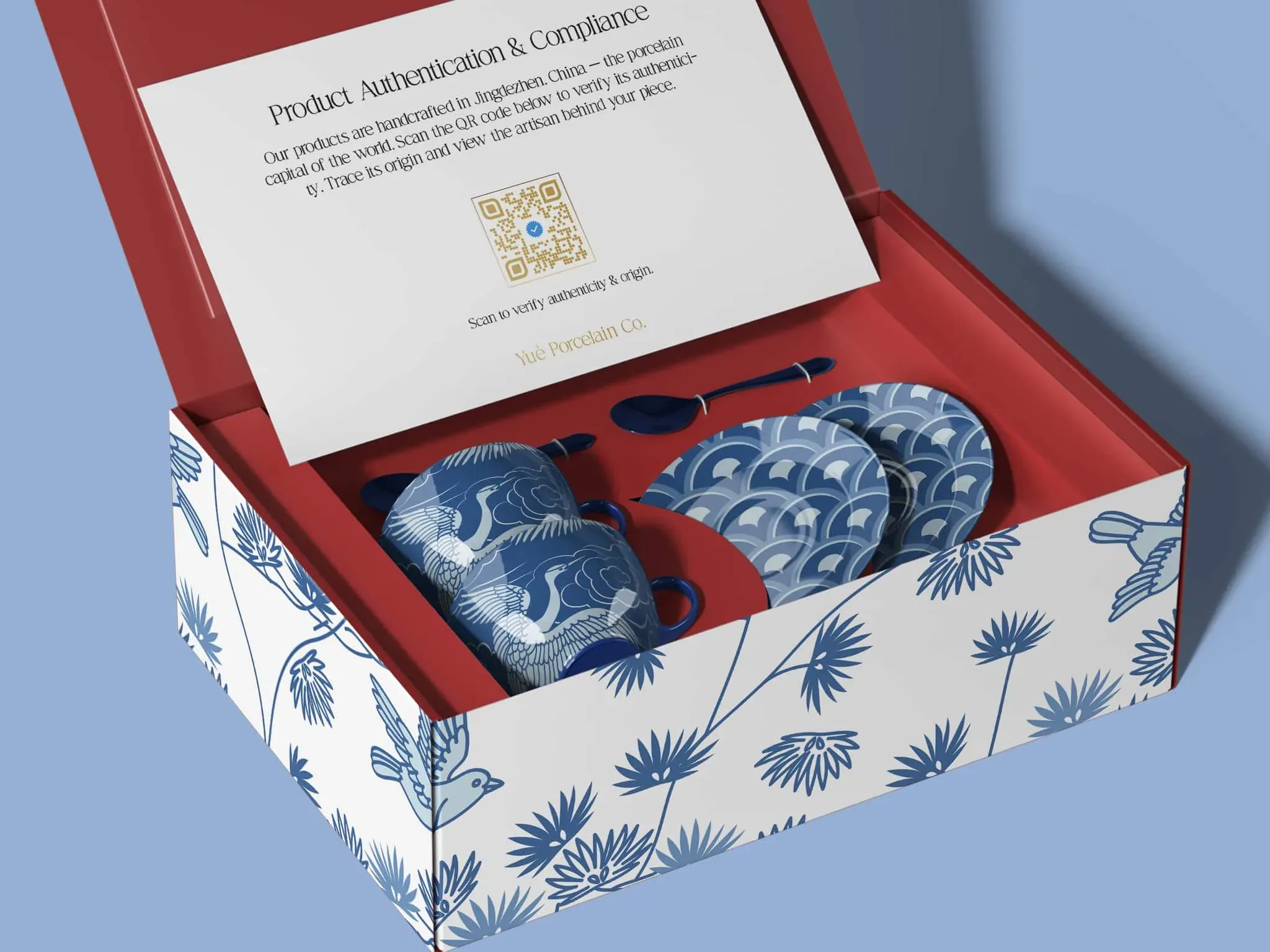
Go international with a resolver service
A GS1 Digital Link QR code can help retailers and private label brands serve customers across different countries and markets without creating separate QR codes for every region. With a resolver service, the same QR code can direct users to the appropriate product information based on factors such as their location, language, or the market they are accessing it from.
This makes it easier to meet regional regulatory and labeling requirements while keeping the physical packaging consistent. For example, a customer scanning the code in France could be directed to French product information, while someone scanning the same code in Germany could see the German version. If the required information is available digitally, consumers can also use translation tools on their smartphones to understand the content in their preferred language.
Because regulatory requirements can vary from one market to another, a connected QR code gives brands more flexibility to provide the right information to the right audience without having to create entirely different QR codes on product packaging for each country. This is particularly useful for private label brands selling the same products across multiple international markets.
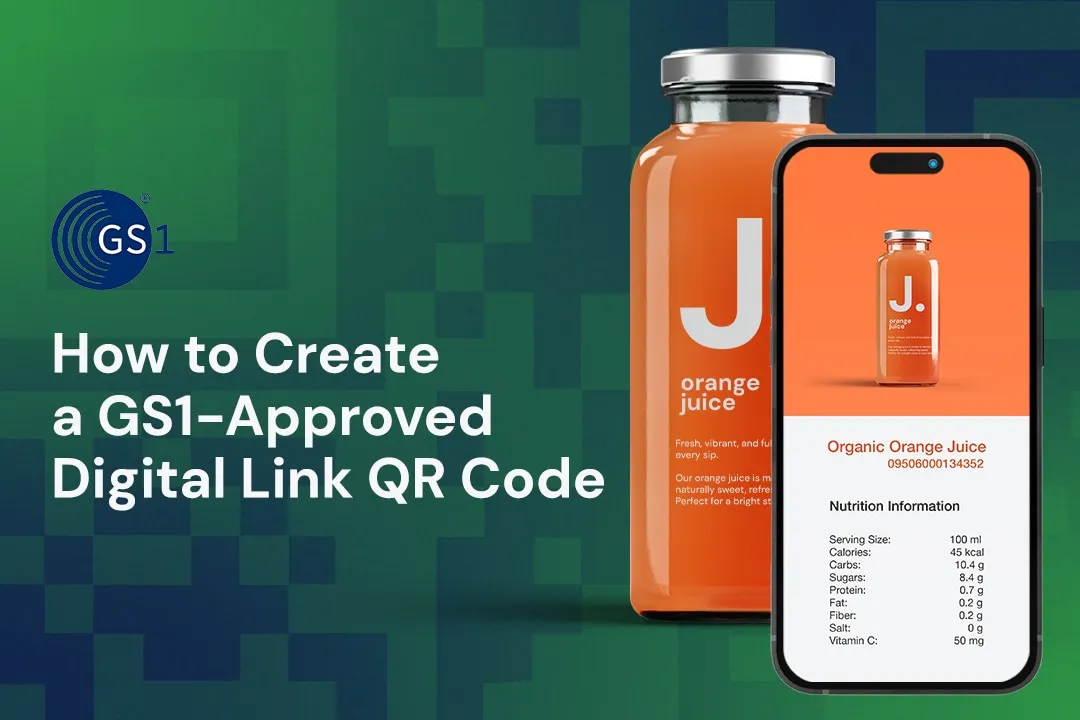
How to create a GS1 Digital Link QR Code for private label products
Check out how you can replace your GTIN barcode with a QR code and optimize your smart packaging efforts.
- Go to Trueqrcode QR Code Generator.
- Choose the Barcode QR Code option.
- Enter the GTIN.
- If opting for bulk creation, hit that button below.
- Download CSV sample.
- Edit and upload the edited CSV.
- Go to the Header/Links/Social tab.
- Enter the product title, description, and upload an image.
- Add links to sites with relevant, quality content.
- Add socials with our social media logos below.
- Click the Design tab.
- Add branded colors to your landing page.
- Go to the right under the smartphone image and click Next.
- On the right, decorate the QR code itself with the shape, color, frame, and QR code logo you want. Make sure colors contrast so they scan. Keep in mind it has to match the product packaging.
- Download the code.
- Test scan once before and after printing. Print one QR code before multiples to ensure it scans. Check out our guide regarding printing QR codes for more details.
- Analyze campaigns.
- Modify as needed.
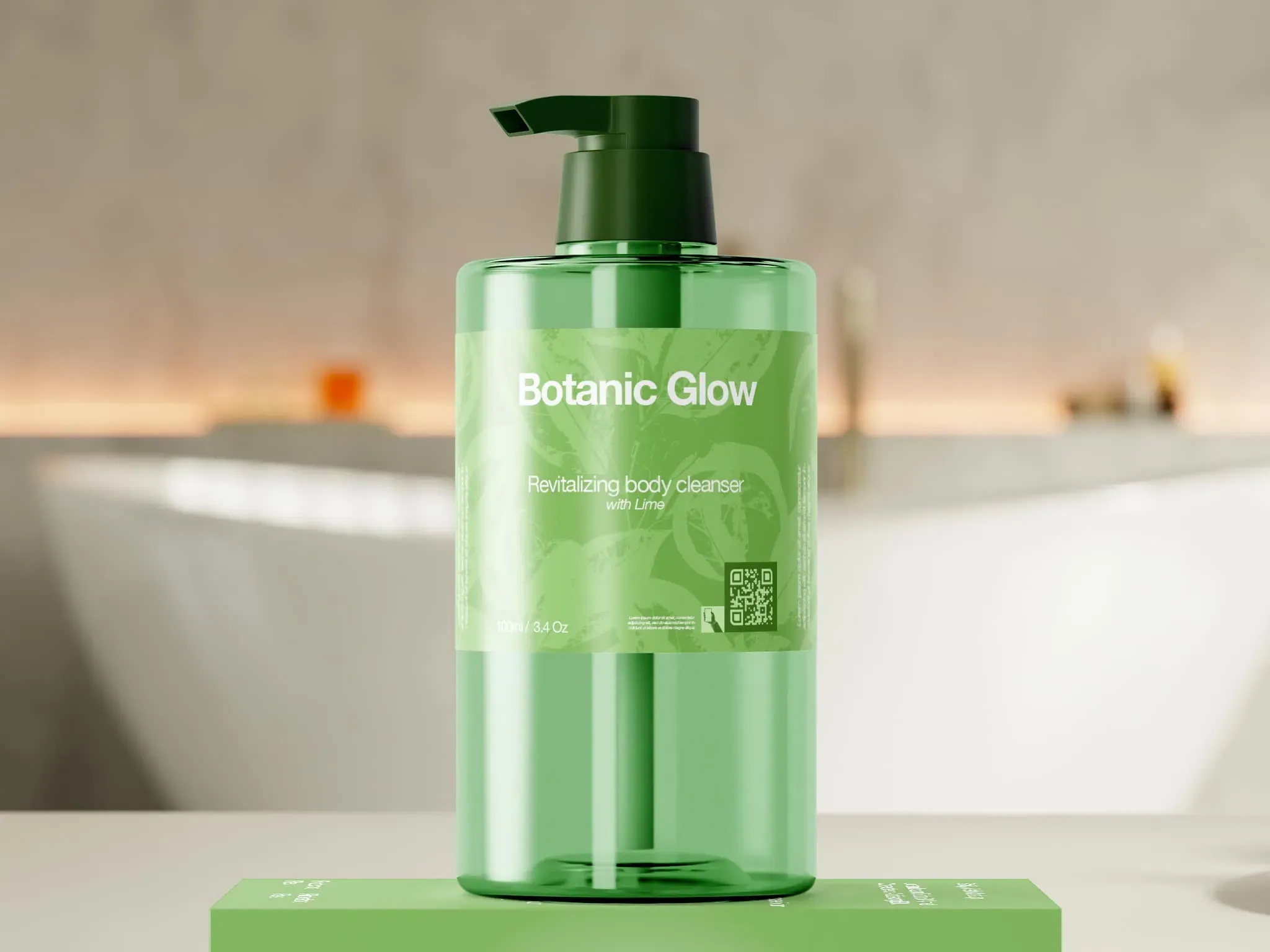
Private label product examples with GS1 Digital Link QR Codes
You can use a Barcode QR Code for any purpose, but here are a few ways they have been taking off so far:
Tutorials for cosmetics
Create a GS1-approved QR code barcode for cosmetic products and link a tutorial for a new product rollout that consumers are sure to share with friends and on social media from their smartphones.
Promote your ecommerce store
Make a GS1 Digital Link for ecommerce to encourage repeat buys, increase post-purchase engagement, and create seasonal campaigns that are trackable and measurable.
Serialize private label products
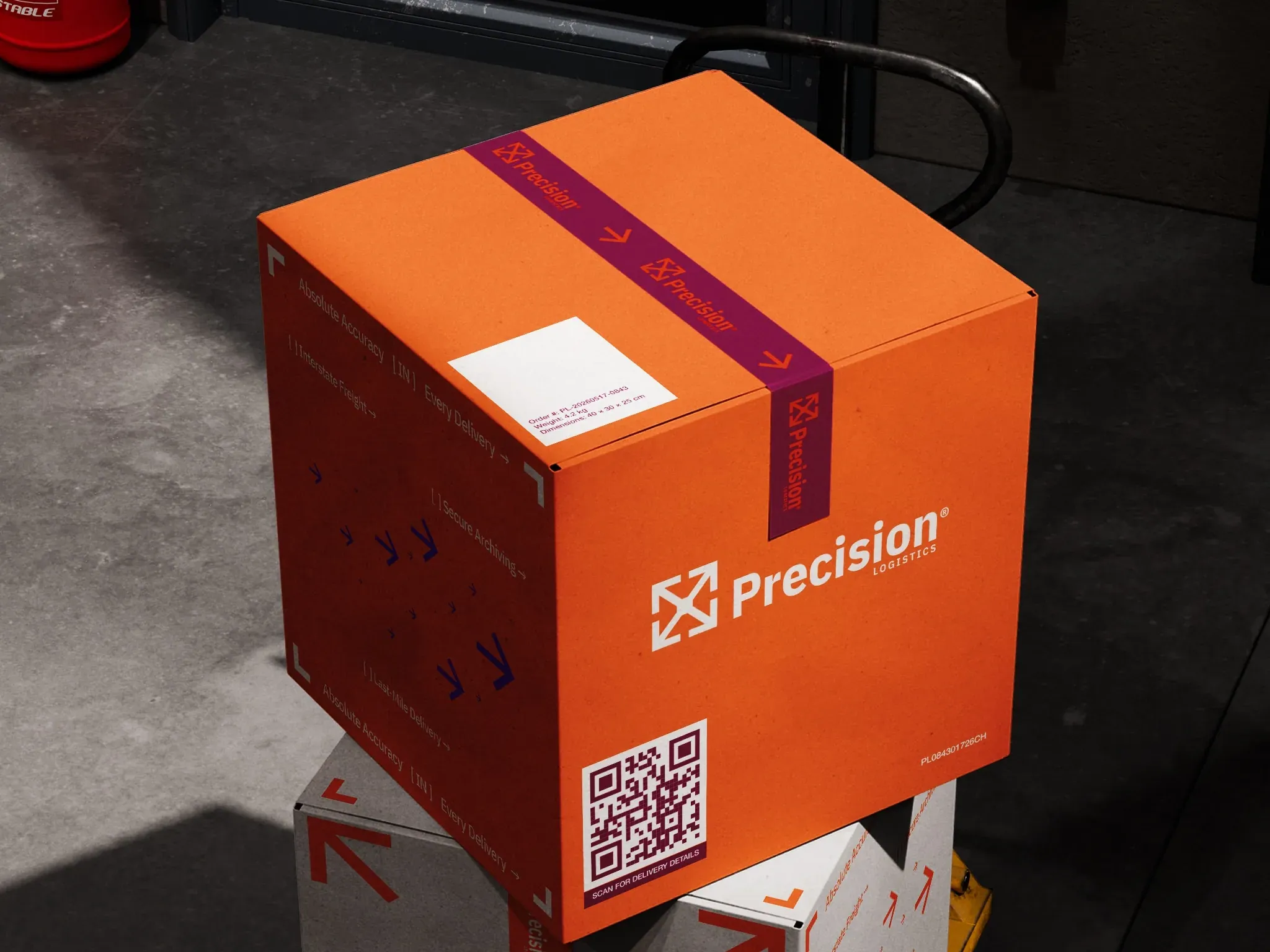
Create item-level QR codes with GS1 Digital Links for electronics and consumer goods. Enable consumers to grab serial numbers, register for warranties, and more. Brands can batch generate QR codes to protect high-end goods from counterfeiting.
Add recipes to make cooking fun
GS1 Digital Links for food products can inspire people to try new recipes, get the best meals out of their food purchases, and even encourage those who are new to cooking.
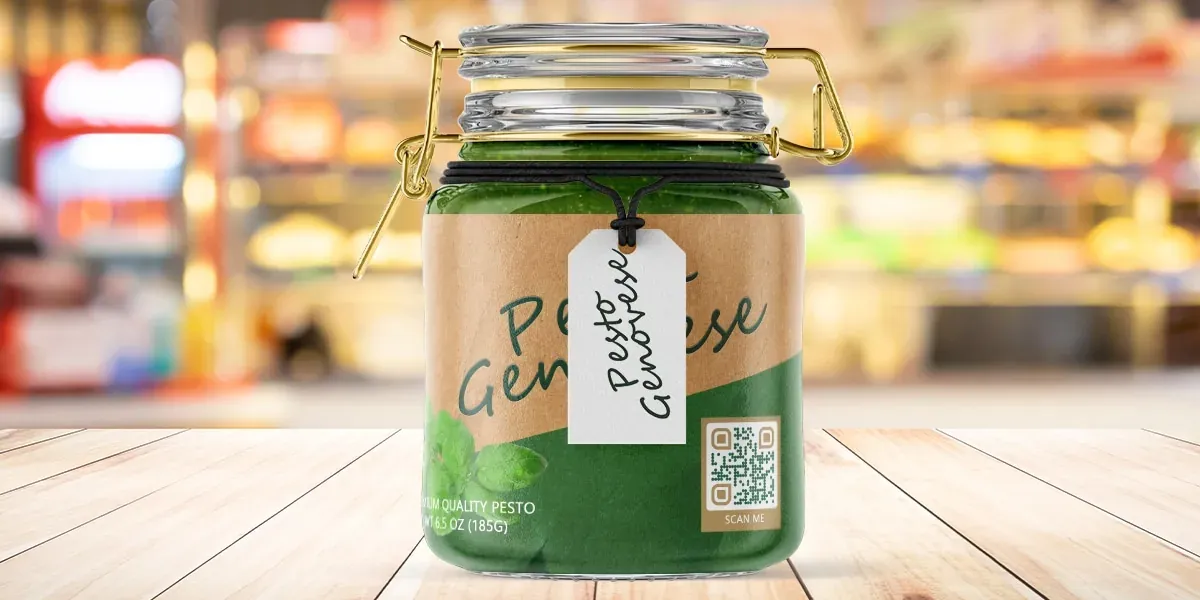
Moving forward with Sunrise 2027
Centralizing product data has never been easier. The Sunrise 2027 transition gives us the opportunity to meet multiple audiences’ needs in one tiny, magic code.
Try Trueqrcode QR code generator today and start off with one product GTIN. You’ll see how seamless the process is to add your GTIN, your links, and decorate it with your branding!
Frequently Asked Questions
What is a GS1 Digital Link?
A GS1 Digital Link connects a GTIN to product information online.
What’s the difference between a GS1 Digital Link QR Code and a regular QR code?
The former is GS1-approved, meaning it holds a GTIN within a web-compatible URI. This allows one QR code to support multiple business and consumer uses while connecting the physical product to online information through GS1 standards.
Can I use a GS1 Digital Link QR Code on my private label products?
Yes. Private label brands can use GS1 Digital Link just like manufacturers and other brand owners. It is especially useful for retailers managing their own branded products because one standardized QR code can connect customers to product information, sustainability details, certifications, recipes, instructions, and other digital content while also supporting supply chain and retail processes through the GTIN.
Are GS1 Digital Link QR Codes replacing traditional barcodes?
That’s the idea, but it will be a transition, not a sudden disruption.